

How to remove old tape residue safely
Old tape residue can make cartons, worktops, shelving, glass, and equipment look neglected. It may also trap dust, interfere with labels, or leave surfaces tacky during packing and maintenance tasks. Removing it safely depends on the adhesive type and the material underneath. A gentle, staged approach helps you protect stock, fixtures, and finished surfaces while achieving a clean result.
Start by identifying the surface and adhesive
Not all tape residues respond to the same treatment. Pressure-sensitive packing tape, masking tape, duct tape, and double-sided tapes use different adhesives. Age, heat exposure, and sunlight can harden residue, making it more difficult to lift.
Before applying any cleaning product, check what sits beneath the adhesive. Cardboard, painted metal, plastic, varnished wood, glass, and stainless steel each have different tolerances. For example, a solvent that works well on glass may cloud clear acrylic or damage a printed carton.
Test any method on a small, hidden area first. This step is particularly useful for branded packaging, coated shelving, and office furniture. Use a clean cloth rather than pouring liquid directly onto the surface, especially around seams, labels, electrical equipment, or openings.
If you are dealing with residue from parcel sealing, choosing tape suited to the job can prevent difficult clean-up later. See How to choose the right tape for shipping, sealing, and bundling for guidance on matching adhesive strength to the intended use.
Use gentle mechanical methods before applying liquids
Begin with the least aggressive option. Often, residue can be lifted with warmth and careful pressure rather than strong chemicals.
A hair dryer set to low or medium heat can soften adhesive on glass, metal, and many hard plastics. Hold it several centimetres from the surface and move it continuously for 20 to 30 seconds. Then lift the softened residue using a plastic scraper, an old loyalty card, or your fingernail. Avoid using blades on painted, plastic, or polished surfaces.
For stubborn patches, roll the adhesive into small balls with a gloved finger. The residue may cling to itself and gradually pull away from the surface. This works best on smooth materials with a relatively fresh adhesive layer.
Avoid metal scrapers unless you are working on robust, uncoated glass and have assessed the risk of scratching. Even then, keep the blade at a shallow angle and work slowly.
Choose a suitable cleaning product for the material
Once loose residue has been removed, a small amount of cleaning product can deal with the remaining tackiness. The safest option depends on the surface.
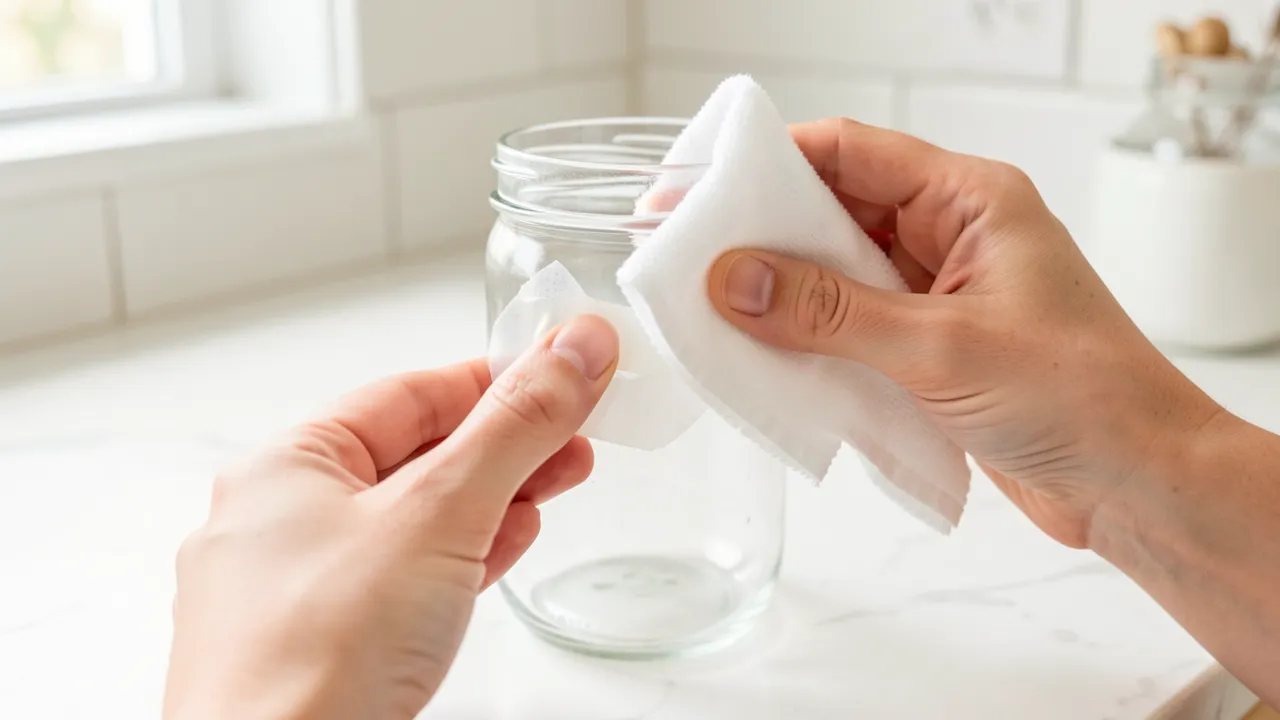
Warm water with washing-up liquid is a sensible first choice for non-porous surfaces. Dampen a cloth, hold it against the residue for a few minutes, then rub gently in small circles. Do not soak cardboard, untreated wood, or paper labels.
For glass, ceramic, and stainless steel, rubbing alcohol can remove adhesive efficiently. Apply it to a cloth, not directly to the object, and wipe the area until the residue releases. Finish with a clean damp cloth and dry thoroughly.
Cooking oil or a commercial citrus-based adhesive remover may work on hard surfaces, but both can leave their own residue. Use only a small quantity, then clean the area afterwards with mild detergent. Keep oily products away from floors, handles, and other locations where grip matters.
Acetone and strong solvents require particular care. They can damage plastics, paint, varnish, rubber, printed graphics, and some laminates. Use them only where the manufacturer permits their use and where ventilation is adequate.
Protect staff when using heat or cleaning chemicals
Tape removal is usually a minor task, yet repeated cleaning work can expose hands to solvents, sharp edges, and skin irritation. Wear suitable gloves when handling cleaning products or when removing tape from rough cartons, metal racking, or broken packaging.
For guidance on material choice and protection levels, review How to choose the right safety gloves. Nitrile gloves are often appropriate for light cleaning tasks, while more durable gloves may be preferable around abrasive surfaces.
Ensure the work area is ventilated when using adhesive removers. Keep products in their labelled containers, follow the supplier's instructions, and store them away from heat sources. If residue is on electrical equipment, disconnect it from power before cleaning and use minimal moisture.
Treat delicate materials with extra restraint
Paper, cardboard, untreated wood, fabric, and painted surfaces can be permanently marked by moisture or solvents. On these materials, try gentle warmth and slow peeling first. A soft eraser may lift small patches of adhesive from some paper-based surfaces, though it can also alter the finish.
For cardboard boxes that must remain presentable, it may be better to cover residual marks with a new label rather than attempting aggressive removal. On fabric, place a clean absorbent cloth beneath the affected area and consult the care label before trying any product.
If the adhesive has spread across valuable equipment, branded display materials, or sensitive finishes, contact the manufacturer or a professional cleaning provider. Replacing a damaged component can cost more than seeking advice early.
Keep tape residue removal safe and efficient
A consistent process reduces damage, waste, and unnecessary use of cleaning chemicals:
- Identify the surface before selecting heat, water, oil, alcohol, or solvent.
- Test each method on a discreet area before treating the visible residue.
- Start with warmth and a plastic scraper, then move to mild cleaning products if needed.
- Wear gloves and provide ventilation when using adhesive removers.
- Clean away any oily or chemical residue after the tape adhesive has lifted.
- Select tapes designed for the surface and task to reduce future clean-up.
Maintain clean work surfaces with the right approach
Removing old tape residue safely is mostly a matter of patience and material awareness. Start gently, use only as much heat or cleaner as necessary, and stop if the surface begins to discolour, soften, or lose its finish. With suitable supplies, careful testing, and appropriate tape selection, you can keep packing stations, storage areas, and workplace equipment clean without creating avoidable damage.