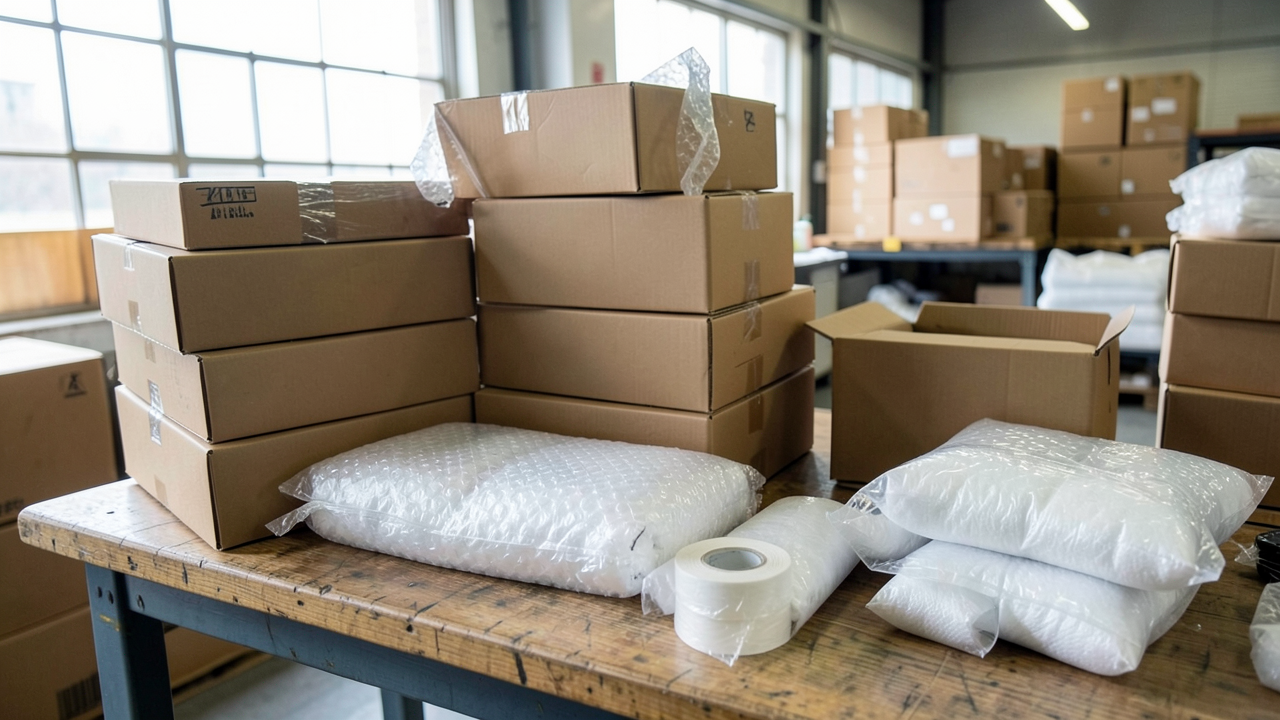


How to choose the right tape for shipping, sealing, and bundling
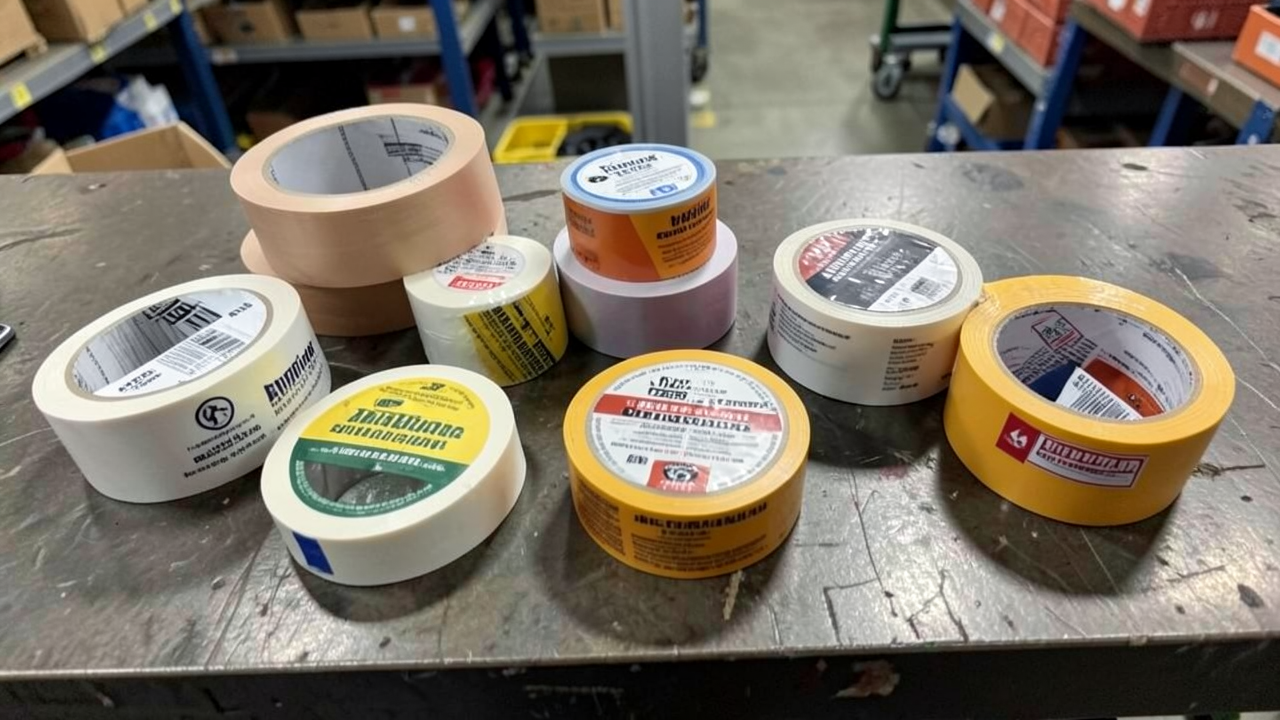
Choosing the right tape for shipping, sealing, and bundling is one of those small business decisions that can have an outsized impact. I have seen packaging failures traced back to a tape that looked fine on the shelf but did not match the job in hand. Whether you are sealing cartons, securing parcels for transit, or bundling parts in a warehouse, the right tape saves time, reduces waste, and helps your goods arrive in better condition. The challenge is that packing tape, shipping tape, duct tape, masking tape, and industrial tape are not interchangeable, even if they appear similar at first glance.
Start with the job, not the label
When I choose a tape, I begin with the application. The word “tape” covers a wide range of products, each designed for a specific purpose. A carton that needs to survive conveyor belts and long-distance transport has very different requirements from a label that must be temporarily held in place during a short warehouse process.
Shipping and carton sealing
For boxes moving through a supply chain, shipping tape or packing tape is usually the right place to start. These products are designed for carton closure, with adhesives that bond well to corrugated cardboard and resist lifting over time. If your parcels are heavy, I would look for tape with a strong backing and high tack adhesive.
Bundling and temporary holding
For bundling cables, grouping components, or holding items together for short-term handling, masking tape may work in light-duty situations, but it is not built for heavy loads or long-term security. For tougher bundling tasks, I would move toward industrial tape or a specialized utility tape that offers better tensile strength.
Understand the main tape types
A good purchase starts with knowing what each tape does best. Here is how I think about the most common options in business supply settings.
Packing tape
Packing tape is the standard choice for sealing cartons. It is commonly made with polypropylene or PVC backing and a pressure-sensitive adhesive. It performs well on clean, dry cardboard and is available in clear, brown, or printed versions. If you need dependable carton closure for everyday shipments, this is often the most efficient option.
Shipping tape
The term shipping tape is often used interchangeably with packing tape, but suppliers sometimes use it to signal a product optimized for parcel transit. I look for thickness, adhesive strength, and temperature tolerance. If packages pass through different climates or sit in storage before dispatch, those details matter.
Duct tape
Duct tape is strong, flexible, and useful for repairs, reinforcement, and some bundling tasks. That said, I do not rely on it as a primary carton-sealing solution. Its backing and adhesive can be excellent for general-purpose work, but for neat, reliable shipping closures, packing tape is usually cleaner and more appropriate.
Masking tape
Masking tape is designed for light adhesion and easy removal. It is excellent for temporary marking, painting, and short-term labeling. I use it when I need a low-residue option, but I would not choose it for shipping cartons or high-stress bundling.
Industrial tape
Industrial tape is a broad category covering tapes made for demanding conditions. This can include reinforced tapes, high-performance acrylic tapes, and specialty adhesives for heat, abrasion, or moisture resistance. If your operation handles heavier boxes, cold storage, or repetitive packaging lines, industrial-grade options may pay for themselves through fewer failures.
Match the adhesive to the surface
A tape’s performance depends not just on its backing, but on how the adhesive behaves on your surfaces.
Cardboard, plastic, and metal
Cardboard usually pairs well with most packing and shipping tapes, provided the surface is dry and free from dust. Plastic surfaces can be trickier, since some adhesives struggle to grip smooth materials. For metal, I look for stronger industrial adhesives, especially when the bond needs to hold under vibration or temperature changes.
Temperature and storage conditions
If your warehouse is cold, hot, or humid, tape selection becomes more nuanced. Some adhesives lose grip in low temperatures, while others soften in heat. For businesses that ship seasonally or internationally, I recommend testing tape under real storage conditions before committing to a large order.
Think about application speed and appearance
Tape is not just about holding power. In business operations, it also affects speed, presentation, and labor cost.
Manual use versus dispenser systems
If employees apply tape by hand all day, I prefer products that unwind smoothly and cut cleanly. Poor unwind quality slows down packing lines and creates frustration. For high-volume operations, the right dispenser and a compatible tape can improve consistency and reduce waste.
Brand image and package presentation
For customer-facing shipments, neat sealing matters. A clear or printed packing tape can make boxes look more professional. On the other hand, rough applications with overly thick duct tape can suggest a quick fix rather than a polished fulfillment process.
Budget wisely, but buy for performance
I always advise looking beyond the unit price. Cheap tape that fails can cost more in returns, repacking, and damaged goods. A slightly more expensive industrial tape may be the better business choice if it reduces rework or improves seal integrity.
Where value really comes from
Value comes from:
- fewer box failures in transit
- faster application on the packing line
- less tape used per carton
- lower risk of residue or damage
- better compatibility with your materials
Practical checklist before you order
Before placing a bulk tape order, I suggest reviewing these points:
- What is the main task? Shipping, sealing, bundling, labeling, or temporary hold?
- What surface is being taped? Cardboard, plastic, metal, or mixed materials?
- What conditions will it face? Cold storage, heat, humidity, or long transit times?
- How much strength is required? Light bundling versus secure carton closure
- How fast must it be applied? Manual work or high-volume packing lines
- Does appearance matter? Customer-facing parcels or internal use only
Choosing with confidence
When I narrow down tape options, I start with the actual workload, then test a few products in the environment where they will be used. Packing tape and shipping tape usually cover most carton-sealing needs, while duct tape is better reserved for repairs and reinforcement. Masking tape suits temporary tasks, and industrial tape is the answer when standard products cannot keep up.
- Use packing tape for everyday carton sealing
- Choose shipping tape when transit conditions demand stronger performance
- Reserve duct tape for repairs and general utility work
- Use masking tape for temporary, low-tack applications
- Turn to industrial tape for demanding surfaces and conditions
- Match adhesive strength to the material and environment
- Test tape before buying in bulk
The right tape may seem like a small procurement decision, but it shapes efficiency, package integrity, and customer perception. When I choose carefully, I get fewer surprises later—and that is a practical win for any business supply operation.