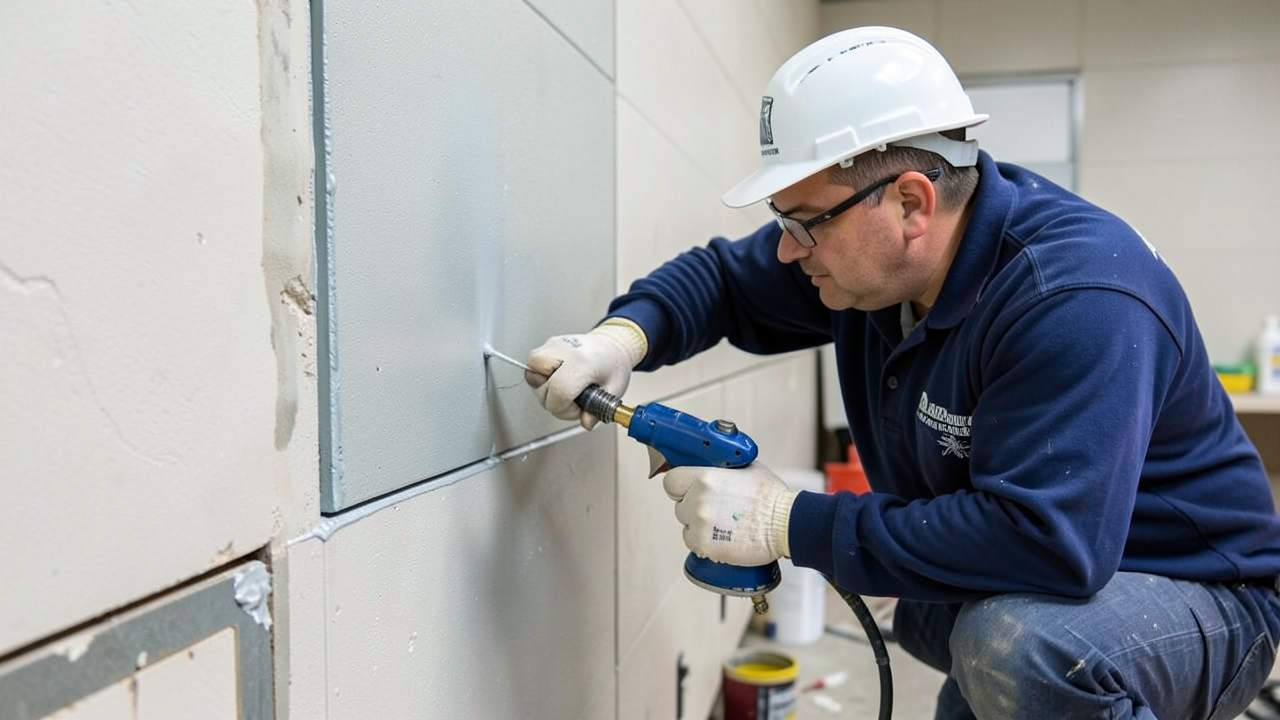



Editorial coverage of business supplies, from tapes and adhesives to safety materials, packaging, and medical consumables for professional operations.
Adhesive tapes are one of those business supplies that disappear into the background until you need them, and then they become the difference between a neat job and a costly mess. I write about adhesive tapes here because they sit at the intersection of packaging, maintenance, operations, and warehouse workflow; a good tape choice can save time, protect products, and reduce rework.
Why adhesive tapes still matter in professional settings
I often think of adhesive tapes as the quiet problem-solvers of business operations. They fasten, seal, mark, protect, bundle, label, and repair with very little equipment and almost no downtime. That versatility explains why they remain a staple across packing desks, maintenance carts, production floors, and even medical or safety environments.
A tape is not just “sticky paper” or “plastic with glue.” It is a controlled system: backing material, adhesive chemistry, thickness, release properties, and roll format all work together. When those elements match the task, the result feels almost effortless. When they do not, the consequences show up fast: cartons pop open, cables slip, surfaces scratch, labels peel, and crews waste time repeating the same task.
From a business-supplies perspective, I see adhesive tapes as a practical bridge between specialized materials and everyday operations. You do not need a machine for every task. Sometimes a well-chosen roll of tape is the fastest, cleanest answer.
A short practical history
The rise of adhesive tapes tracks the growth of modern commerce and manufacturing. As packaging volumes increased, so did the need for fast, repeatable closure methods. As workspaces became more organized, tapes evolved for masking, marking, insulation, and protection. What began as a convenience became a standard tool in industrial and office environments alike.
That history matters because it explains why tape categories are so specific. A tape for carton sealing is built differently from a tape for floor marking or surface protection. The product family grew by function, not by accident.
The main types of adhesive tapes and what they do
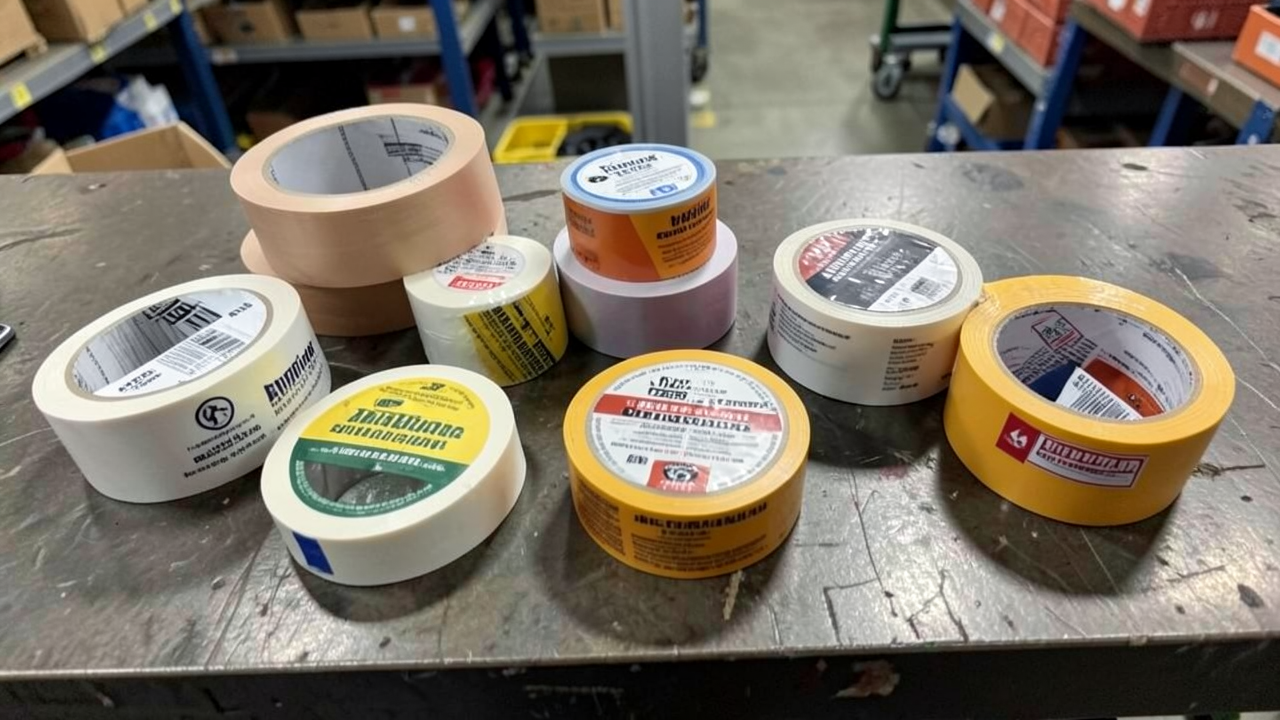
If you buy or specify tapes for a business, the first step is matching the tape type to the job. I prefer to think in terms of performance, not brand names. A tape should answer a question: Is the goal to hold, seal, protect, label, or mask?
| Tape type | Typical use | Key feature |
|---|---|---|
| Packaging tape | Carton sealing, shipping prep | Strong carton adhesion |
| Masking tape | Painting, temporary coverage, labeling | Clean removal |
| Double-sided tape | Mounting, point-of-sale displays, signage | Bonding on both sides |
| Duct or repair tape | Temporary fixes, bundling, quick repairs | Conformability and grip |
| Strapping tape | Reinforcement, heavy-duty bundling | Tensile strength |
Packaging and carton-sealing tapes
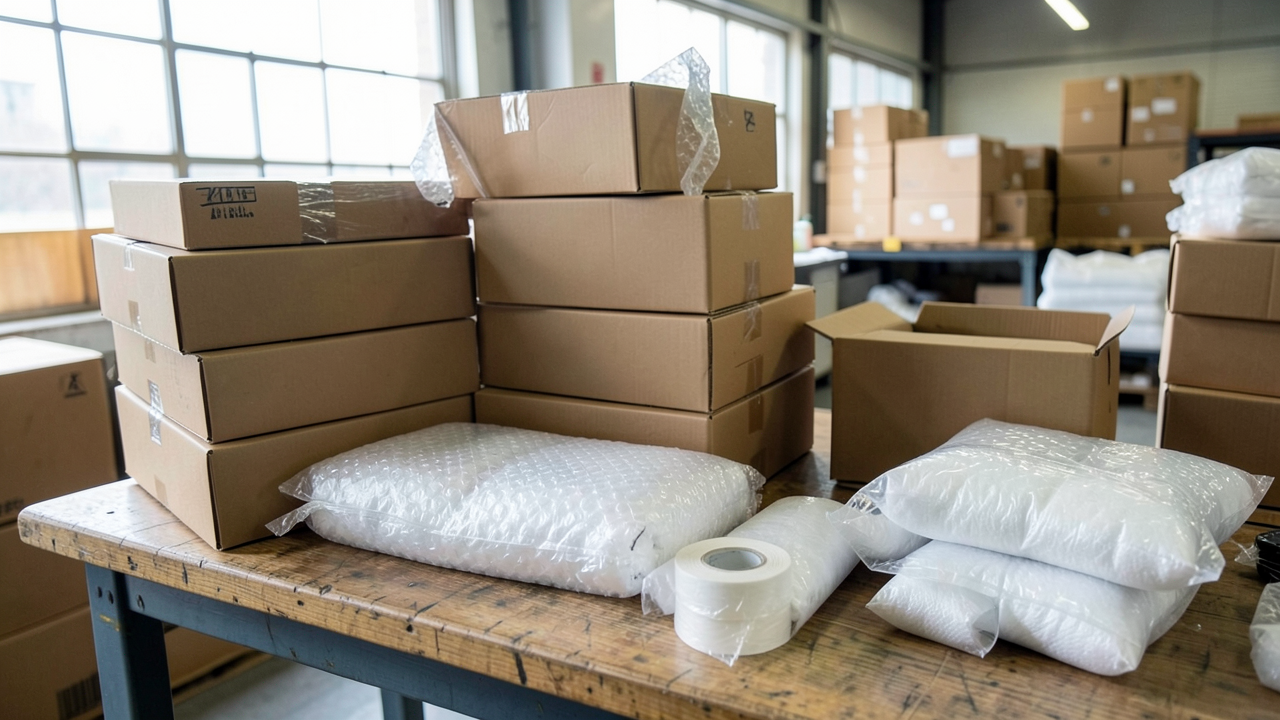
Packaging tape is the workhorse in warehouses and dispatch areas. It is built to hold cardboard under stress, especially when cartons move through sorting, stacking, and transport. I usually look for three things: adhesion to corrugated board, consistent unwind, and good resistance to splitting.
For heavier loads, reinforced packaging tape or filament tape may be a better fit. If cartons are frequently handled or travel long distances, the tape must maintain closure under vibration and pressure.
Masking and surface-protection tapes
Masking tapes serve a different role. They need to stick securely, then release cleanly without damaging the surface. In painting, manufacturing, and maintenance, that clean removal matters as much as initial grip. A tape that leaves residue can create more cleanup than the task it was meant to simplify.
Protection tapes, including surface-protection films, sit in a similar family. They shield panels, glass, metal, and finished surfaces from scuffs, dust, and minor abrasion during transport or installation.
Double-sided, foam, and mounting tapes
These tapes are useful when you want a neat finish without visible fasteners. I see them used for signage, displays, small fixtures, trim, and light assembly work. Foam-backed versions also help compensate for uneven surfaces, which can make bonding more reliable.
Specialty tapes for technical environments
Some adhesive tapes are designed for electrical insulation, high heat, low temperature, moisture resistance, or chemical exposure. These are not generic products; they are chosen for specific conditions. In a technical setting, the wrong backing or adhesive can fail quietly, which is often worse than visible failure.
How I choose adhesive tapes for business use
The best tape is not the strongest tape on paper. It is the tape that performs correctly in your actual environment. I always ask a few practical questions before choosing:
• What surface will the tape contact: cardboard, metal, plastic, glass, painted wall, or fabric?
• Will the application be temporary or permanent?
• Does the tape need clean removal?
• Is the job indoors, outdoors, cold, humid, dusty, or heat-exposed?
• Will people apply it by hand, or will a dispenser or machine be used?
• Is appearance visible to customers or end users?
Adhesive chemistry matters
The adhesive itself is the heart of performance. Some adhesives grip quickly; others build strength over time. Some are designed for easy removal, while others are engineered for long-term hold. Surface energy also plays a role: what bonds well to cardboard may not bond the same way to polyethylene or powder-coated metal.
When I specify tape, I pay attention to whether the surface is smooth, porous, oily, textured, or treated. That single detail can determine whether a tape behaves beautifully or fails at the first challenge.
Backing material changes the result
The backing influences durability, tearability, flexibility, and resistance. Common backings include paper, polypropylene, PVC, cloth, and foam. Paper-backed tapes are often favored for labeling or masking. Plastic films tend to suit packaging because they are durable and cost-effective. Cloth backings bring tear resistance and conformability.
Dispenser and workflow fit
A tape can be technically excellent and still slow the team down if the roll size, core size, or unwind behavior does not suit the process. In a packing line, a tape that feeds smoothly reduces fatigue and keeps boxes moving. On maintenance carts, a smaller roll or a hand-tear tape may be more convenient.
Real-world use cases across business operations
One reason adhesive tapes remain so widely used is that they adapt to very different work environments. I see them used in operations far beyond shipping, and the most effective setups usually rely on a small, well-curated tape inventory rather than a drawer full of random rolls.
Packaging, storage, and shipping
In packaging, adhesive tapes do the obvious but vital work: sealing cartons, reinforcing edges, grouping items, and identifying contents. For mixed operations, color-coded or printed tapes can help with internal sorting and handling instructions.
Examples I often encounter:
- carton sealing for outbound orders
- bundling printed materials or parts kits
- tamper-evident closing on sensitive goods
- temporary labeling during storage or relocation
Maintenance and facility work
Facilities teams use tapes for quick fixes, marking hazards, temporary holds, and cable management. The tape may not be the final solution, but it often buys time and keeps the site safe or organized until a proper repair is made.
Floor-marking tapes are especially useful in workspaces where traffic routes, storage zones, or safety boundaries need to be visible. They support order and reduce confusion without requiring permanent changes to the floor.
Manufacturing and assembly
In production environments, tapes support masking, splicing, insulation, protection, and alignment. A neat tape application can improve finish quality and reduce rework. In assembly, double-sided tapes sometimes replace fasteners where drilling or mechanical attachment would be too slow or too invasive.
Healthcare and controlled environments
Medical and laboratory settings rely on tapes that perform consistently and, in some cases, meet specialized compliance or skin-contact requirements. Here, the margin for error is small. The tape must match the task and the environment exactly, whether it is securing dressings, identifying items, or protecting surfaces.
Common problems with adhesive tapes and how to avoid them
I have seen many tape failures that were blamed on the product when the real issue was mismatch. The tape was fine; the application was not.
Poor adhesion
If a tape lifts early, the cause may be dust, oil, moisture, low surface energy, or insufficient pressure at application. Sometimes the fix is as simple as cleaning the surface and pressing the tape firmly. Sometimes a different adhesive family is needed altogether.
Residue and surface damage
Residue appears when the adhesive is too aggressive, too soft, or left on too long for the surface conditions. Painted walls, delicate plastics, and polished finishes are especially sensitive. When appearance matters, I prefer testing a small section first.
Splitting, tearing, or stretching
A tape that splits during application slows the team and wastes material. This often happens when the backing is too weak for the task or the tape is being pulled at the wrong angle. For hands-on operations, a more durable backing or a better dispenser can make a visible difference.
Environmental failure
Heat, cold, humidity, UV exposure, and chemicals all affect performance. A tape that works well in a dry packing room may fail outdoors or near cleaning agents. The label may say “heavy duty,” but the real test is the environment.
Practical habits that make adhesive tapes work better
Good tape selection is only half the story. Application habits matter too, and I have found that teams get better results when a few simple practices become routine.
My practical checklist
• Store rolls away from dust, direct sun, and excessive heat
• Keep the roll core and dispenser matched
• Clean surfaces before applying where possible
• Use steady pressure during application
• Test on a small area when the surface is delicate or unusual
• Rotate stock so older rolls are used before they degrade
• Separate general-purpose tapes from specialty tapes to avoid mix-ups
Think in terms of total cost, not roll price
A cheaper roll may seem efficient, but if it tears poorly, leaves residue, or fails in transit, the hidden cost is higher. I prefer to evaluate tape by the job outcome: fewer returns, faster packing, cleaner presentation, and less rework. That is where value becomes measurable.
Keep a small, intentional tape range
Most businesses do not need twenty kinds of tape. They need the right handful. A practical set might include carton-sealing tape, masking tape, double-sided tape, floor-marking tape, and one specialty product for repair or technical work. That keeps procurement simple and helps staff choose correctly.
A final editorial note on tape selection
Adhesive tapes may look ordinary, but they are one of the most versatile tools in business supplies. I treat them as a precision category disguised as a convenience product. If you choose them carefully, they improve packing speed, protect surfaces, support safety, and keep operations tidy. If you choose them casually, they become a source of friction.
When I evaluate a tape, I always come back to the same three questions: what surface, what environment, and what result. Answer those well, and adhesive tapes become far more than sticky rolls on a shelf. They become reliable working tools for the everyday demands of professional operations.
Latest articles

Safety training priorities for packing and dispatch teams

How to remove old tape residue safely

A motorcycle pre-ride inspection checklist for safer weekend rides

Working from home with a Rottweiler

How to remove protective film without residue

How to choose disposable medical face masks

How to choose the right contractor grade fasteners
How to choose the right safety gloves
When should businesses use protection film for surfaces and equipment?
What packaging supplies do businesses need to ship products safely?
What type of adhesive should you use for different business materials?
How to choose the right tape for shipping, sealing, and bundling