

When should businesses use protection film for surfaces and equipment?
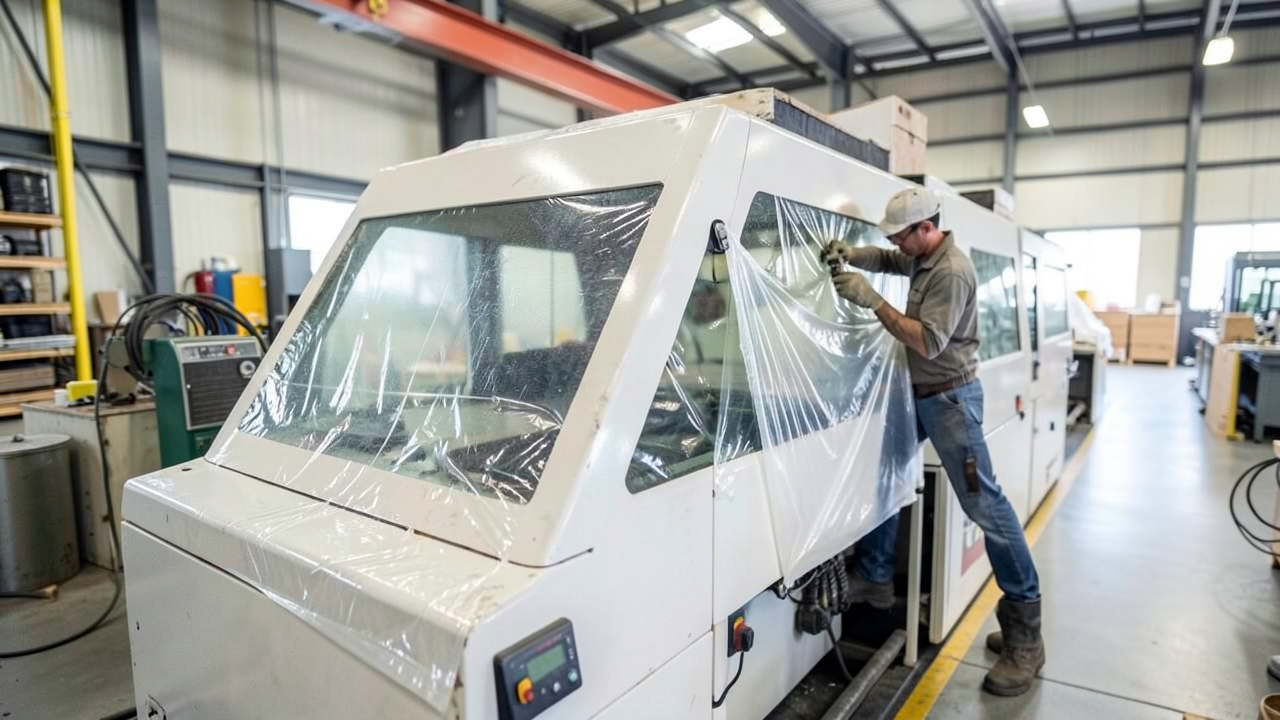
Businesses often wait until a surface is already scratched, stained, or chipped before thinking about protection. I see the smarter approach differently: use a surface protection film before damage starts, especially when equipment, finishes, or display surfaces will face handling, transport, construction dust, or daily wear. In my experience, the right film can save time, reduce replacements, and keep a professional appearance intact across busy commercial settings.
What protection film actually does
A surface protection film is a temporary or semi-temporary layer applied to a surface to shield it from damage. It can protect against scratches, paint overspray, dust, adhesive residue, scuffs, and minor impacts. Depending on the product, it may be used on metal, glass, plastic, painted panels, countertops, stainless steel, or finished equipment.
Protective film vs. paint protection film
Many people use the terms loosely, but they are not always the same thing. Protective film is a broad term for any film that guards a surface. Paint protection film is more specific and is usually designed for coated or painted surfaces where appearance matters. In business settings, I think of paint protection film as one option within a broader protection strategy.
Temporary film for short-term jobs
A temporary film is ideal when you only need protection during a specific phase: shipping, installation, renovation, storage, or a product launch. It is designed to be removed cleanly once the risk period ends. That makes it especially useful for businesses that want protection without a permanent change to the item’s look or function.
Best times to use surface protection film
During manufacturing and assembly
Factories and workshops are obvious candidates. Parts often move through multiple hands, machines, and workstations. Even if every step is careful, friction and contact add up. I recommend surface protection film when:
- components are being cut, drilled, welded, or polished
- products pass through assembly lines
- finished units are stacked or packed before shipping
- surfaces will be touched repeatedly before final inspection
In these situations, the film helps reduce rework and keeps items looking new when they reach the customer.
During shipping and warehousing
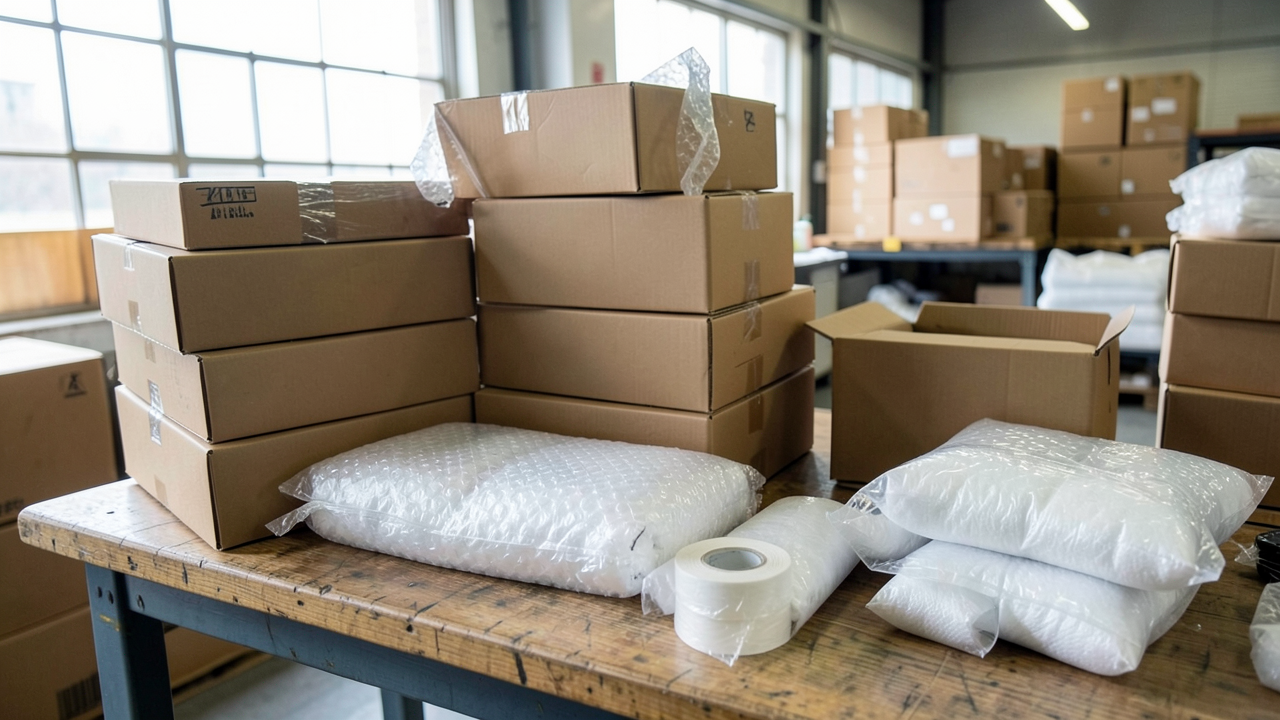
Transport is one of the highest-risk moments for surface damage. Pallets shift, straps rub, cartons compress, and forklifts get close to finished goods. A protective film can help prevent the kind of minor damage that leads to customer complaints or returns.
Warehouses also benefit from film on items stored for longer periods. Dust, moisture, and incidental contact with racks or packaging materials can leave marks. If goods are waiting for deployment, a removable film gives a practical layer of defense.
During construction and renovation
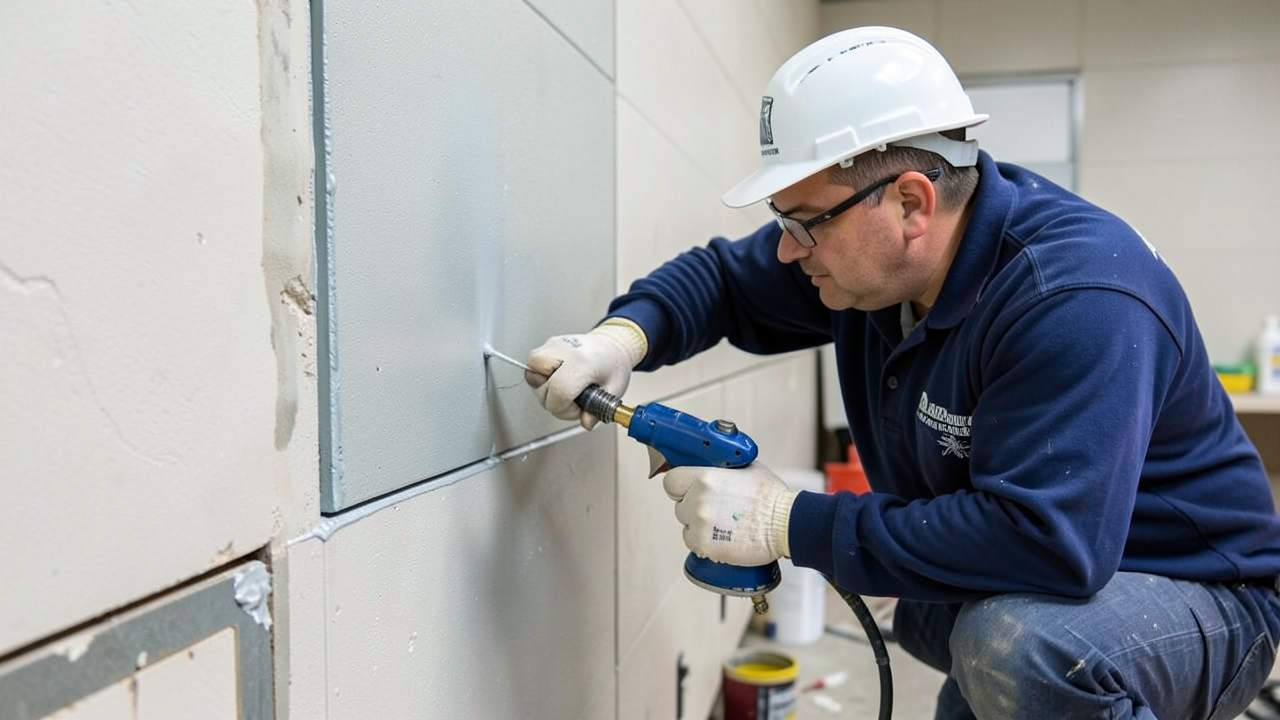
Commercial buildings, retail fit-outs, and office refurbishments often expose surfaces to heavy foot traffic and debris. I would use temporary film on windows, doors, counters, lifts, stainless steel panels, and decorative finishes when contractors are still working nearby.
This is especially useful for:
- new installations before handover
- lobby or showroom refurbishments
- tenant improvements
- staged office reconfigurations
The film reduces cleanup time and helps protect high-visibility areas from scratches or splatter.
When moving, installing, or relocating equipment
Equipment protection matters most during movement. A machine, appliance, or display fixture may be fully functional but still vulnerable to scratches, impacts, and residue during transport or installation. Equipment protection film is worth considering when machinery is being:
- shipped from supplier to site
- uncrated and positioned
- connected and tested
- relocated within a facility
For expensive assets, a small layer of film is often cheaper than refinishing a panel or replacing a surface.
Where businesses gain the most value
Retail and hospitality
Shops, hotels, and restaurants rely on presentation. A scratched counter or scuffed display can affect customer perception quickly. I often recommend protection film on:
- display cases
- point-of-sale counters
- elevator panels
- glass doors
- stainless steel fixtures
Here, the advantage is not only damage prevention; it is also maintaining a polished first impression.
Healthcare and labs
In healthcare and laboratory environments, clean surfaces matter for both hygiene and appearance. Protective film can be helpful during installation of new equipment, especially when multiple contractors are present. It can also protect certain panels and surfaces in back-of-house areas where carts, tools, and supplies create wear.
Manufacturing, logistics, and industrial sites
These environments often have the most to gain from consistent use of protection film. Equipment faces abrasion, oils, dust, and repeated contact. When I evaluate these settings, I look for anything that is expensive to replace, awkward to repair, or sensitive to cosmetic damage. If the surface must remain presentable or accurate in function, film is usually worth testing.
How to decide if film is the right choice
Ask how long the risk lasts
If the exposure is short-term, a temporary film is usually the best fit. If the item will remain in service and face repeated contact, you may need a stronger or more durable protective solution.
Match the film to the surface
Not every film works on every material. Adhesion strength, finish type, heat exposure, and removal timing all matter. I always advise checking compatibility first, especially on delicate coatings, brushed metals, or high-gloss finishes.
Consider the cost of damage
A protective layer makes sense when the cost of repair, downtime, or replacement is higher than the cost of the film. For premium equipment, that calculation often favors protection very quickly.
Practical signs you should use protection film now
If any of these apply, I would seriously consider using a surface protection film:
- the item is new and still awaiting installation
- multiple contractors or staff members will handle it
- the surface is visible to customers
- the equipment will be shipped or moved
- nearby work may create dust, splatter, or abrasion
- replacement parts are costly or slow to source
Final take on timing and use
The best time to apply protective film is before the damage occurs, not after. For many businesses, that means using it during manufacturing, shipping, installation, storage, or renovation. I see equipment protection as a straightforward risk-management step: it helps preserve appearance, lowers the chance of avoidable repair costs, and keeps operations moving with fewer interruptions.
Key points to remember
- Surface protection film works best when applied early.
- Temporary film is ideal for short-term exposure during transport or installation.
- Paint protection film is a specific option for painted or coated surfaces.
- Businesses gain the most value when surfaces are visible, expensive, or difficult to replace.
- Protection is especially useful in retail, hospitality, healthcare, logistics, and manufacturing.
When you plan ahead, protection film becomes less of a supply item and more of a practical safeguard for your assets.