

What packaging supplies do businesses need to ship products safely?
Shipping products safely is one of those business tasks that looks simple until a damaged parcel, a return, or a customer complaint exposes the weak point in your process. I have found that the right shipping supplies do more than keep items intact; they protect your brand reputation, reduce replacement costs, and make fulfillment more efficient. If you are choosing packaging materials for a business, the best setup depends on what you sell, how fragile it is, and how far it needs to travel.
Start with the product, not the box
Before buying cartons or tape, I always begin with the item itself. A lightweight T-shirt, a glass bottle, and a laptop battery need very different shipping setups. The goal is not simply to fit a product into a container. The goal is to prevent movement, absorb shock, resist pressure, and survive handling.
Match packaging to product risk
Ask a few practical questions:
- Does the item scratch, bend, break, or leak?
- Does it have sharp edges or sensitive surfaces?
- Will it travel locally or through multiple carriers?
- Does it need temperature protection or moisture resistance?
Your answers determine whether you need basic mailers, corrugated boxes, protective packaging, or specialized inserts.
The core shipping supplies every business should stock
A well-run shipping operation usually relies on a small but reliable set of essentials. I would group them into five categories.
1. Outer containers
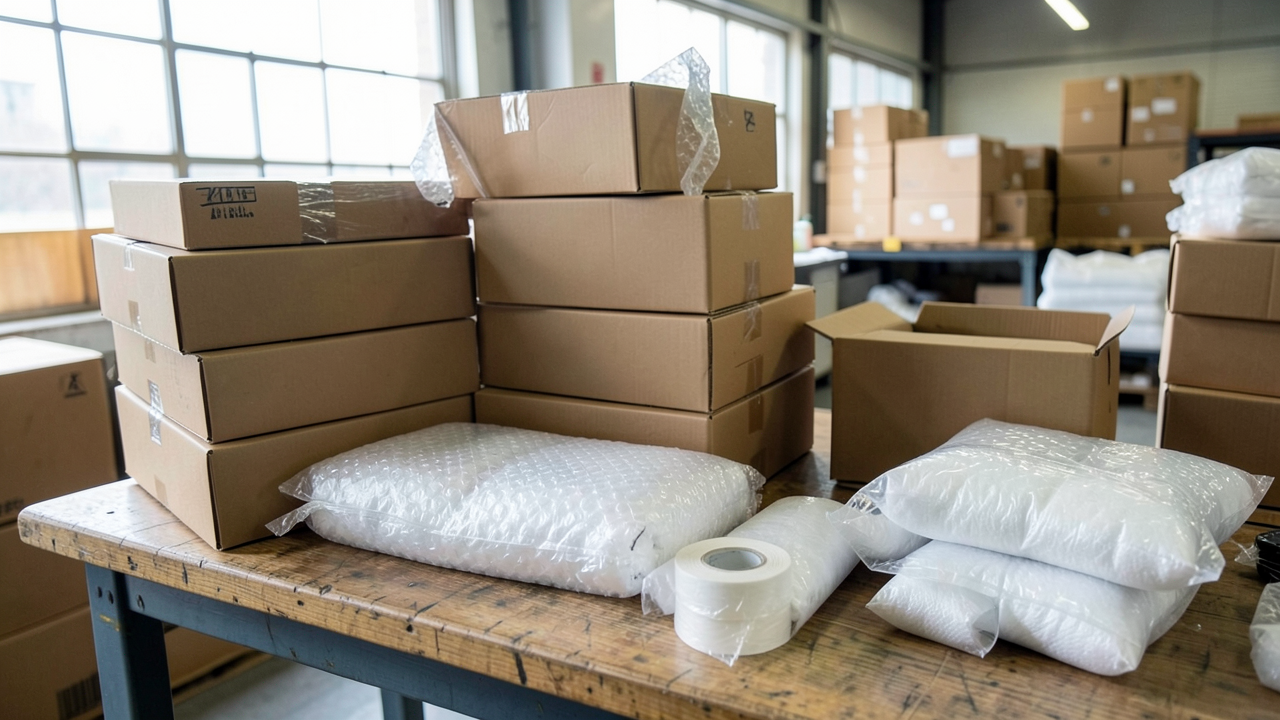
The outer container is the first line of defense. For most businesses, that means corrugated cardboard boxes or mailers.
- Single-wall boxes work for lightweight, non-fragile products.
- Double-wall boxes are better for heavier items or anything that might be stacked.
- Poly mailers suit soft goods like clothing and textiles.
- Rigid mailers help protect documents, artwork, or flat items that can’t be bent.
When choosing box sizes, I look for a close fit without squeezing the product. A box that is too large can allow shifting, while one that is too small can crush the item or weaken seams.
2. Void fill
Empty space inside a package creates movement, and movement creates damage. That is where void fill comes in. It keeps products centered and prevents them from bouncing around during transit.
Common options include:
- Kraft paper
- Air pillows
- Foam peanuts
- Shredded paper
- Molded pulp inserts
I prefer to match the fill to the product and brand. Kraft paper is recyclable and versatile. Air pillows are lightweight and efficient for high-volume fulfillment. Foam peanuts can work well, though they may not suit every sustainability policy.
3. Protective packaging
For fragile goods, protective packaging is what makes the difference between a successful delivery and a return. This category includes bubble wrap, foam sleeves, edge protectors, corrugated inserts, and custom-molded trays.
4. Sealing and reinforcement supplies
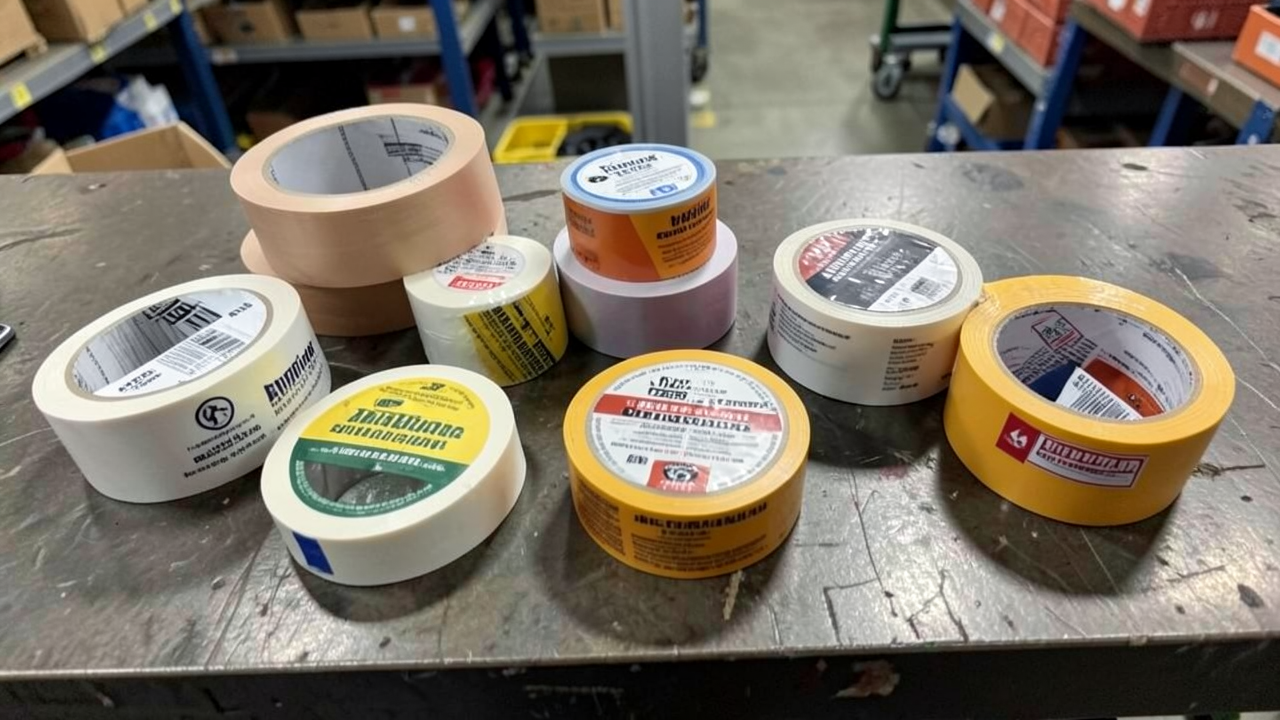
A box is only as strong as its closure. Strong tape, reinforced paper tape, and strapping materials keep packages sealed throughout handling.
I usually recommend:
- Pressure-sensitive packing tape for standard cartons
- Water-activated tape for stronger sealing and tamper resistance
- Strapping or banding for heavy items
- Corner reinforcement for large shipments
Weak tape or inconsistent sealing often causes more problems than people expect.
5. Labels and documentation
Shipping labels may seem minor, but they are part of the packaging system. Smudged barcodes, missing instructions, or unclear handling labels can create delays and damage.
I keep these ready:
- Shipping labels
- Fragile or handle-with-care stickers
- Orientation labels for liquids or electronics
- Packing slips and return documents
- Hazard or compliance labels if required
How to choose the right box sizes
Box selection deserves more attention than many businesses give it. A smart approach saves money and reduces damage.
Use internal dimensions, not just external measurements
Carriers and suppliers often list external dimensions, but what matters is the internal space available for the product and cushioning. You want enough room for protective packaging on all sides without letting the item shift.
Build around the item and the padding
A practical rule I use is to leave space for cushioning around the item, especially for fragile products. The exact amount depends on weight and fragility, but the box should allow the product to sit securely rather than float.
Standardize where possible
If your catalog includes items of similar sizes, standardizing box sizes simplifies inventory, training, and packing speed. It also helps control costs because you are not storing too many carton types.
Choosing protective packaging by product type
Different products need different levels of care. I like to think in terms of layers.
Fragile items
Glass, ceramics, electronics, and cosmetics usually need wrap, inserts, and a snug outer box. Bubble wrap, foam corners, and molded pulp are common solutions.
Heavy items
Books, hardware, tools, and small appliances need strong cartons and dense cushioning. Double-wall boxes and reinforced tape are often worth the extra cost.
Soft or flexible items
Clothing, fabric goods, and accessories usually require less structure, but they still benefit from clean presentation and moisture protection. Poly mailers or corrugated mailers may be enough.
Multi-item orders
When shipping several items together, I separate them so they don’t collide. Dividers, inserts, or individual wrap can prevent one product from damaging another.
Don’t overlook sustainability and cost
Businesses often think they must choose between safety and efficiency, but that is not the case. I look for packaging that protects well, ships efficiently, and aligns with my cost goals.
Balance weight, waste, and performance
Heavier packaging increases shipping costs. Excessive void fill wastes space and materials. At the same time, underpacking leads to returns and replacements. The best solution usually sits in the middle: enough protection, not excessive bulk.
Keep customer experience in mind
Packaging is part of the product experience. Clean materials, neat presentation, and easy opening can improve perception without compromising safety. If your brand emphasizes sustainability, recyclable or compostable options may support that message.
A practical packing checklist
Here is a simple summary of what I keep in mind when selecting shipping supplies:
- Choose the outer carton or mailer based on product weight and fragility
- Select box sizes that allow cushioning without excess movement
- Add void fill to eliminate empty space
- Use protective packaging for delicate, valuable, or unusual items
- Seal with strong tape or strapping
- Include clear labels and any handling instructions
- Review the setup after test shipments and customer feedback
Better shipping starts with the right materials
If you want to ship products safely, your packaging system should be built around risk, fit, and consistency. The right packaging materials do not just protect a parcel; they support your operations and reduce avoidable costs. I recommend treating packaging as a business tool rather than an afterthought. When you choose suitable boxes, reliable void fill, and effective protective packaging, you create a shipping process that works more smoothly for both your team and your customers.