

What type of adhesive should you use for different business materials?
Choosing the right adhesive for business materials is not just a technical detail; it directly affects durability, appearance, production speed, and even long-term cost. I see adhesive selection as a practical decision that depends on the surfaces you need to join, the weight the bond must carry, and the environment the finished product will face. A packaging line, a signage workshop, and a furniture manufacturer will not use the same industrial adhesive, because their bonding needs are simply different.
Matching Adhesives to Business Materials
Paper, Cardboard, and Packaging Materials
For light materials such as paper, corrugated board, and cartons, I usually look for fast-setting water-based glues or pressure-sensitive adhesives. These are ideal when speed and cleanliness matter. If your business handles folding cartons, mailers, or labels, you need an adhesive that spreads evenly and does not warp the material.
For high-volume packaging operations, hot-melt adhesives are often a strong choice because they set quickly and support rapid production. They work well on porous surfaces, though they may not be the best fit for heat-sensitive materials.
Wood and Furniture Components
Woodworking businesses often need adhesives that penetrate the surface and create a strong structural bond. Here, PVA wood glue is common for indoor applications, while epoxy adhesive becomes more suitable when extra strength, gap filling, or moisture resistance is required.
If you are bonding laminates, veneers, or decorative panels, I would also consider contact adhesive. It creates an immediate bond once both surfaces meet, which is useful for large flat areas. However, it demands careful alignment because repositioning is limited.
Metal, Glass, and Hard Surfaces
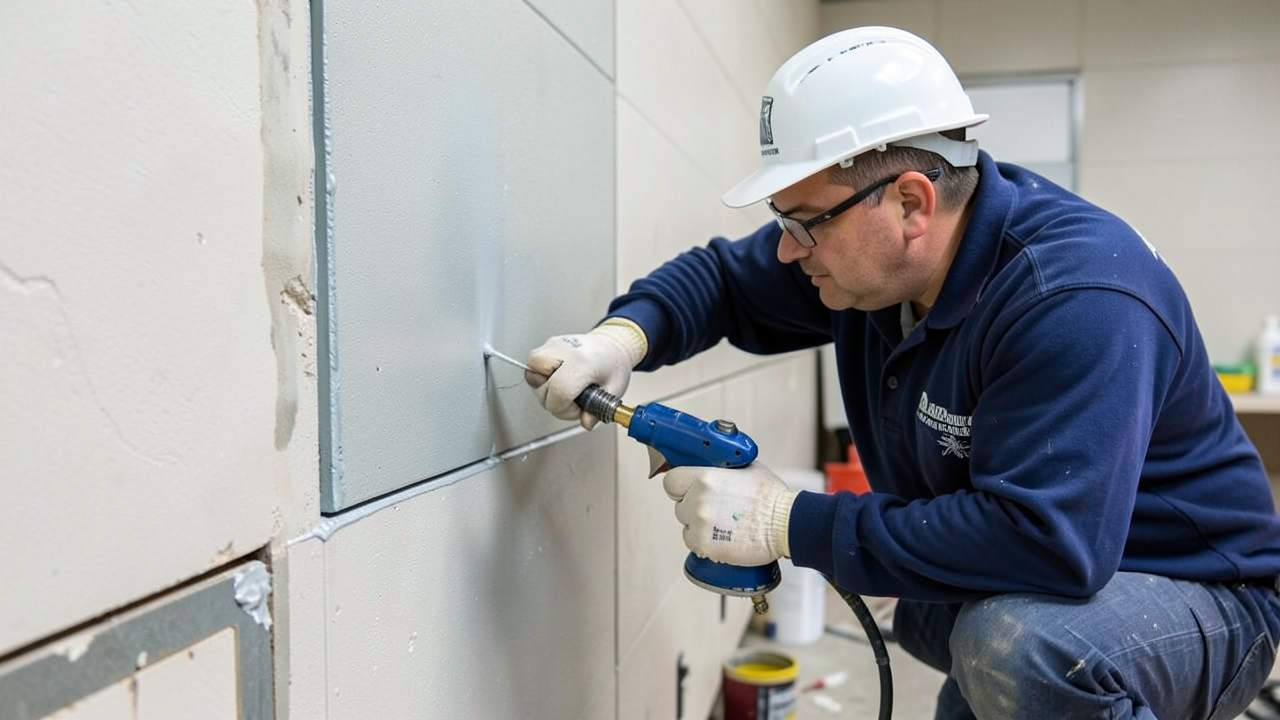
Bonding non-porous materials usually requires more specialized glue types. Metal, glass, and certain plastics often need an industrial adhesive formulated for high performance. In these cases, epoxy adhesive is one of the most reliable options because it offers excellent strength and chemical resistance.
For display cases, signage, or equipment assemblies, epoxies can provide a durable bond where screws or welds are impractical. If surfaces must remain flexible, a polyurethane adhesive may be a better fit, but epoxy remains a preferred option for rigid, load-bearing joints.
Understanding the Main Glue Types
Epoxy Adhesive
I turn to epoxy adhesive when I need a bond that can handle stress, vibration, moisture, or heat. It usually comes in two parts that must be mixed before use. Once cured, it forms a tough, durable connection.
Best uses:
- Metal assemblies
- Glass repairs or fittings
- Structural joins
- Heavy-duty equipment parts
The trade-off is working time. Epoxy gives you a window to position parts, but it also needs proper curing before it reaches full strength.
Contact Adhesive
Contact adhesive is useful when you need instant grab. You apply it to both surfaces, let it become tacky, then press the materials together. That makes it popular for laminates, rubber, leather, and large surface bonding.
Best uses:
- Countertops
- Laminated panels
- Foam and upholstery
- Rubber trims
I find it especially helpful for business materials that are broad, thin, and difficult to clamp.
Other Common Adhesives
Beyond epoxy and contact products, businesses often rely on:
- Hot-melt adhesives for fast packaging and assembly
- Acrylic adhesives for weather resistance and clear bonds
- Cyanoacrylate adhesives for small, quick repairs
- Polyurethane adhesives for flexibility and moisture resistance
Each of these glue types serves a specific purpose, so the “best” one depends on the material and the demands of the final product.
Factors That Should Guide Your Choice
Surface Porosity
Porous materials like cardboard and untreated wood absorb adhesive differently from smooth metals or plastics. If I am bonding porous surfaces, I look for adhesives that soak in and create mechanical grip. For non-porous materials, I need a formula designed to cling without absorption.
Strength and Load
Ask yourself how much stress the bond will carry. A decorative sign has different requirements from a shelving unit or machine housing. If the joint must hold weight, resist vibration, or remain stable over time, I would lean toward epoxy adhesive or another structural industrial adhesive.
Temperature and Environment
Humidity, heat, solvents, and outdoor exposure can all weaken the wrong adhesive. For business materials used outside, I prefer products rated for weather resistance and UV stability. For manufacturing areas with oils or chemicals, chemical resistance becomes just as important.
Speed of Production
Some operations need immediate handling, while others can wait for curing. That distinction changes the adhesive choice. Contact adhesive and hot-melt products support fast workflows, whereas epoxies may require more time but deliver stronger long-term performance.
Practical Pairings for Business Materials
Office and Print Materials
For folders, brochures, labels, and display boards, lightweight glues and pressure-sensitive adhesives are usually enough. They keep the finish neat and avoid excess moisture.
Retail Fixtures and Signage
For acrylic signs, metal frames, and display units, I would choose a high-performance industrial adhesive, often epoxy or acrylic-based. These materials need a clean finish and dependable holding power.
Upholstery and Surface Lamination
For fabric panels, foam, leather, and laminated surfaces, contact adhesive often performs well because it covers broad areas and bonds quickly.
Equipment and Structural Parts
For joints exposed to vibration or mechanical stress, epoxy adhesive is often my first option. It gives business materials the resilience needed for demanding use.
Key Points to Remember
- Match the adhesive to the material, not just to the task.
- Epoxy adhesive is a strong choice for rigid, high-stress, or non-porous bonds.
- Contact adhesive works well for broad surfaces and instant bonding.
- Glue types vary in drying time, flexibility, and resistance to heat or moisture.
- Industrial adhesive products are best when business materials must perform under demanding conditions.
- Surface preparation matters as much as the product itself; clean, dry surfaces bond better.
A Smarter Way to Choose Adhesives for Business Use
When I choose an adhesive for business materials, I start with the surface, then the environment, then the performance target. That sequence helps me avoid weak bonds, wasted product, and production delays. If you treat adhesive selection as part of your supply strategy, you will get more reliable results and fewer costly failures. The right industrial adhesive is not the one with the strongest label claim; it is the one that suits your exact bonding materials and business workflow.