

How to select the best sealant for commercial repairs and maintenance
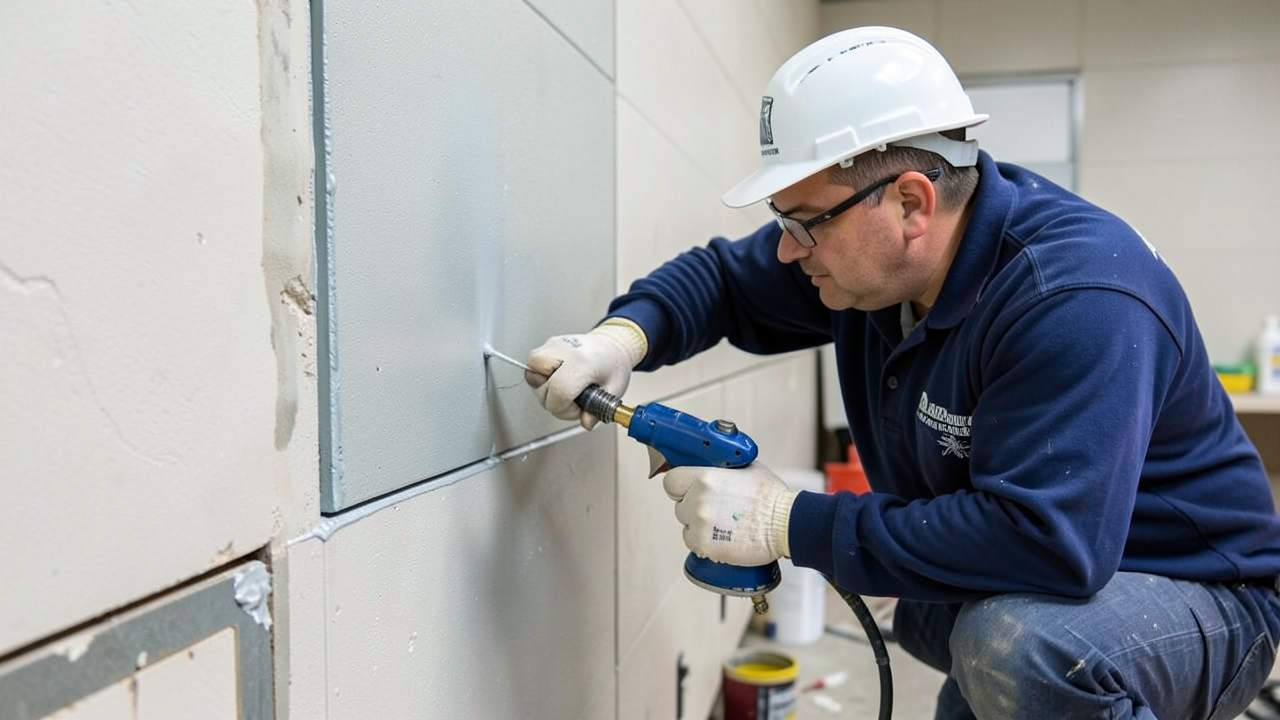
Selecting the right commercial sealant for repairs and maintenance is rarely a simple product-choice exercise. In my experience, the best results come from matching the sealant to the surface, the movement expected in the joint, the level of moisture exposure, and the speed of the job. A product that works beautifully in one area may fail quickly in another. If you manage facilities, oversee maintenance, or buy business supplies for a property team, the right decision can save time, reduce callbacks, and improve the appearance and durability of the repair.
Start with the repair environment
Before comparing products, I always begin with the conditions around the repair. A sealant is not just about filling a space; it must perform under real-world stress.
Indoor or outdoor use
For interior applications, you may need a neat finish, low odor, and easy cleanup. For exterior work, you need a product that handles UV exposure, rain, and temperature changes. A waterproof sealant is often the better choice outdoors, especially around windows, roofs, entrances, and utility penetrations.
Movement and expansion
Commercial buildings move. Materials expand and contract with heat and cold, and joints shift over time. If the repair area will flex, you should choose a sealant with good elasticity. A rigid product may look fine on day one but crack soon after.
Moisture and chemical exposure
Areas near kitchens, washrooms, loading bays, or industrial equipment may face frequent moisture or cleaning chemicals. In those settings, I look for resistance to water, mold, and cleaning agents. The wrong product can break down early, leading to repeat repairs.
Match the sealant to the surface
Surface compatibility matters just as much as environmental conditions. A strong sealant on the wrong material may fail to bond properly.
Silicone sealant for flexibility and moisture resistance
When I need long-term flexibility and strong resistance to water, silicone sealant is often the first option I consider. It performs well around sinks, glass, glazing, sanitary areas, and many exterior joints. It is also known for staying flexible, which helps in areas with movement.
That said, silicone is not ideal for every task. It can be difficult to paint, and some versions do not bond well to all substrates without the right preparation. For painted finishes or decorative work, that limitation matters.
Caulk for finishing and light-duty sealing
Caulk is often chosen for smaller interior gaps, trim work, and cosmetic repairs. It is a practical option when appearance matters and the joint does not require high movement tolerance. I use caulk where I want a clean finish around baseboards, frames, or interior fixtures.
However, caulk is not a substitute for a true performance sealant in wet or high-stress areas. If the joint will be exposed to regular moisture or structural movement, I would move toward a more durable product.
Gap filler for larger spaces
A gap filler is useful when the opening is wider than a typical caulk joint. In commercial maintenance, this often comes up around wall penetrations, uneven masonry, or construction imperfections. A gap filler can build volume and help prepare the area for a finish layer.
Still, I would not treat a gap filler as a universal solution. Some products are designed mainly for void filling rather than final sealing. Always confirm whether the product is intended to remain exposed.
Choose the right performance characteristics
Product labels can look similar, but the technical differences matter. I recommend checking four main characteristics before purchase.
Adhesion strength
Good adhesion means the sealant grips the material and stays in place. If you are sealing glass, metal, concrete, wood, or tile, verify that the product is rated for those surfaces. Poor adhesion often causes peeling edges and leaks.
Flexibility after cure
A sealant should remain flexible after curing if the joint may move. This is especially true in commercial properties with vibration, thermal expansion, or frequent use. I prefer products that maintain elasticity rather than hardening into a brittle line.
Cure time
Downtime costs money. Fast-curing products can help maintenance teams reopen spaces sooner, but faster is not always better. Some jobs need more working time for proper application and tooling. I balance cure time with job complexity and site access.
Paintability and finish
If the repair must blend with walls or trim, paintability becomes a deciding factor. Many maintenance teams prefer a sealant that can be painted after curing. In visible areas, finish quality may matter as much as performance.
Think like a facility manager, not just a buyer
A commercial repair product should solve more than one problem. I look at the long-term cost, not only the unit price.
Labor savings
A slightly more expensive sealant may be cheaper overall if it is easier to apply, cleans up faster, and reduces rework. For teams handling multiple sites, ease of use can be a major operational advantage.
Maintenance frequency
A durable sealant lowers the frequency of repeat repairs. That matters in busy buildings where access is limited and labor is scheduled tightly. If a product lasts longer, it can reduce disruption and preserve service consistency.
Inventory simplicity
I also consider whether one product can handle several common tasks. A maintenance department may benefit from a short list of reliable products rather than a large inventory of niche materials. That approach improves ordering efficiency and reduces storage complexity.
Use the application method to narrow the choice
Even the best product can fail if it is difficult to apply correctly.
Manual cartridges or bulk systems
Smaller teams may prefer cartridge-based products because they are simple and easy to control. Larger maintenance operations may use bulk dispensing systems for speed and consistency. The application method should fit the team’s workload and skill level.
Surface preparation requirements
Some sealants demand clean, dry, oil-free surfaces. Others tolerate a little more surface variability. In commercial maintenance, I always check the preparation steps before choosing a product. A sealant with demanding prep may not be practical for urgent on-site repairs.
Quick checklist for the right purchase
Here is the short list I use when comparing products for commercial work:
- Identify the substrate: glass, metal, masonry, wood, tile, or mixed materials.
- Assess movement: determine whether the joint needs flexibility.
- Check moisture exposure: choose a waterproof sealant for wet or outdoor areas.
- Decide on finish: select caulk if appearance and light-duty sealing are the goal.
- Use silicone when needed: select silicone sealant for flexibility and wet-area performance.
- Fill larger voids appropriately: choose a gap filler for wider spaces.
- Review cure time and paintability: make sure the product fits the schedule and finish requirements.
Making a confident selection for commercial maintenance
When I choose a sealant for commercial repairs, I do not start with the brand or the price. I start with the job conditions, then narrow the product based on performance, surface compatibility, and maintenance demands. That approach helps me select a commercial sealant that is practical, durable, and suited to business use.
If you are responsible for repairs and maintenance, a careful purchase today can prevent recurring problems tomorrow. The right sealant should do more than close a gap; it should support the building’s performance, reduce labor waste, and keep operations running smoothly.
- Match the sealant to the environment, especially moisture, UV exposure, and movement.
- Use silicone sealant for flexibility and water resistance.
- Use caulk for interior finishing and light-duty sealing.
- Use gap filler for larger voids that need volume before finishing.
- Choose a waterproof sealant for wet or exterior applications.
- Check adhesion, cure time, flexibility, and paintability before buying.
- Think beyond unit price and consider labor, durability, and inventory efficiency.
A well-chosen sealant is a small purchase with a large impact on commercial maintenance.