


How to choose the right safety gloves
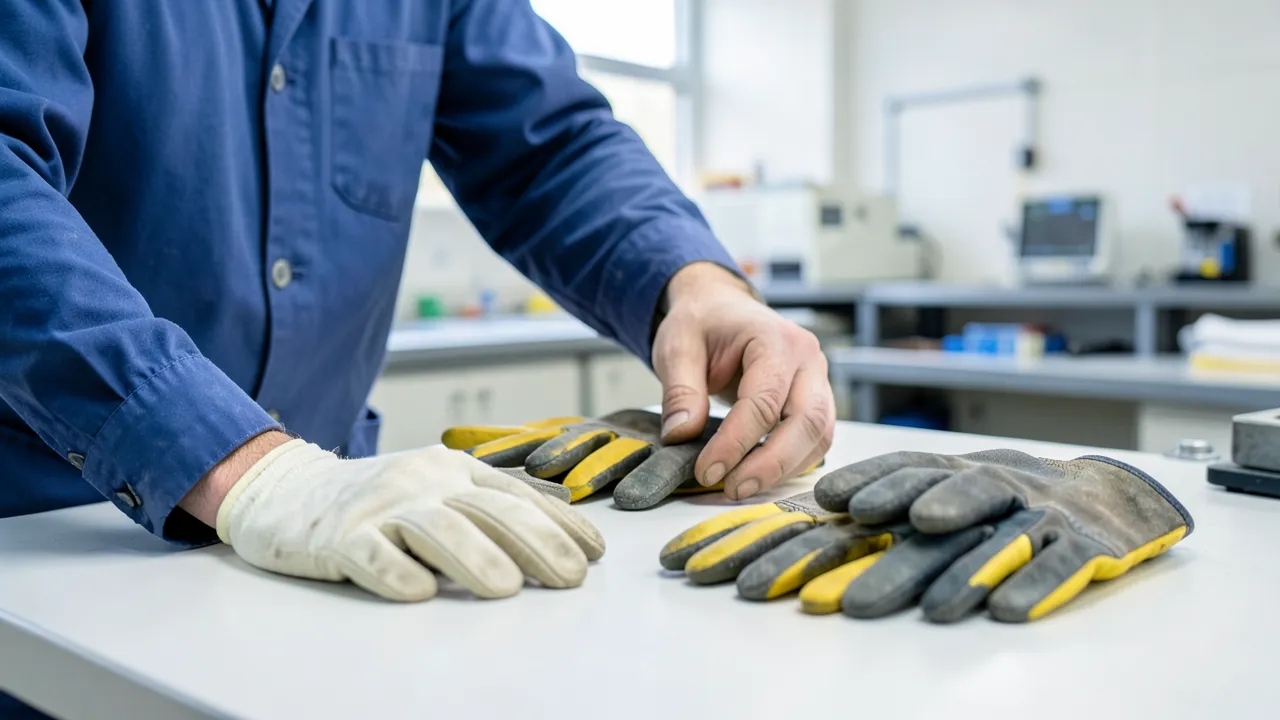
When you select safety gloves for a business setting, you are not just buying a consumable item. You are deciding how hands will be protected against cuts, abrasion, chemicals, heat, cold, and contamination while still allowing staff to work efficiently. The right pair depends on the task, the hazards involved, and the level of dexterity your team needs. A poor choice can slow work, reduce grip, or leave workers exposed.
Start with the actual hazard, not with the glove material
The first step is to match the glove to the risk. A glove that performs well against sharp edges may be unsuitable for solvents. A model built for chemical handling may feel bulky during assembly work. Your selection process should begin with a clear question: what can injure the hand in this task?
Identify the main source of harm
Hazards usually fall into a few broad groups: cuts and punctures, friction and abrasion, heat or cold, chemicals, and contamination. Some jobs involve more than one risk, which means you may need a compromise or even two glove options for different stages of the task. For example, warehouse picking, maintenance work, and machine setup often expose hands to repeated rubbing and occasional impact.
You can approach this in the same practical way you would when choosing other workplace consumables. For instance, the logic behind How to select the best sealant for commercial repairs and maintenance also applies here: first define the problem, then match the product to the environment.
Choose the right level of protection without losing dexterity
Protection is only useful if people can still do their job properly. If gloves are too thick, staff may remove them to handle small parts, which defeats the purpose. If they are too thin, they may not offer enough resistance to the hazard.
Balance safety and precision
For assembly, inspection, or laboratory-style tasks, a thinner glove with good tactile sensitivity may be the right option. For handling sheet metal, glass, or rough materials, you may need a heavier glove with reinforced palms or cut-resistant fibers. Fit matters as much as material: a glove that is too loose reduces grip, while one that is too tight can cause fatigue.
A useful rule is to choose the least restrictive glove that still meets the hazard level. That helps preserve productivity and encourages consistent use.
Pay attention to the material and coating
Glove performance depends heavily on the base material and any surface coating. These features affect grip, comfort, chemical resistance, and durability.
Common glove materials and what they offer
- Nitrile: good resistance to oils and many chemicals, with solid puncture resistance.
- Latex: flexible and comfortable, often chosen for fine handling, though not ideal for users with latex sensitivity.
- Neoprene: useful for a broader range of chemical exposure.
- Leather: suited to abrasive work, welding support, and general durability.
- Cut-resistant fibers: designed for sharp objects and repeated handling of rough materials.
Coatings also matter. Foam coatings improve grip in dry conditions. Crinkle or sandy finishes can help with wet or oily surfaces. Smooth coatings may be easier to clean but sometimes reduce traction. If your operation involves packaging, transport, or bundling, the same kind of functional thinking used in How to choose the right tape for shipping, sealing, and bundling can help: surface, handling conditions, and final use should guide the choice.
Make sure the glove matches the working environment
A glove can be excellent on paper and still fail in practice if it does not suit the workplace conditions. Temperature, moisture, cleaning routines, and duration of wear all influence performance.
Consider comfort during long shifts
If workers wear gloves for most of the day, breathability becomes a real issue. Excess sweating can reduce grip and lead to skin irritation. In colder settings, insulation may be required, but bulky linings can make fine work difficult. In wet areas, gloves need a secure grip and should retain performance when damp.
Also think about donning and removal. If gloves are hard to put on, staff may stretch them out or avoid wearing them altogether. That is why ease of use should be checked alongside technical specifications.
Check standards, labels, and resistance ratings
Safety claims should never rely on appearance alone. Labels, test standards, and resistance ratings give you a more reliable basis for comparison. These details help you understand whether a glove is appropriate for a specific type of work.
Read the specification sheet carefully
Look for information on cut resistance, puncture resistance, abrasion resistance, and chemical compatibility where relevant. If your operation uses chemicals, check the exact substances listed rather than assuming all chemical gloves perform equally. If your work involves heat, verify the temperature range and contact limits.
A certificate does not replace a task assessment. It only tells you what the glove was tested for. Your actual working conditions may be harsher, wetter, hotter, or more varied than the test scenario.
Do not ignore sizing, training, and replacement cycles
Even a high-quality glove loses value if it is poorly sized or worn beyond its service life. Hands vary widely, and glove selection should include a sizing check for the people who will actually wear them.
Build glove use into workplace routines
Provide guidance on when gloves must be worn, when they should be changed, and how to inspect them for damage. Small tears, thinning fingertips, or loss of grip can all be signs that a glove has reached the end of its safe use. For reusable gloves, define cleaning and storage procedures. For disposable gloves, set replacement triggers based on task, contamination, or visible wear.
The better your routine, the more consistent your protection will be. Training turns a product choice into real workplace safety.
A practical selection checklist for business buyers
Before placing an order, use a simple checklist to compare options:
- What is the main hazard: cut, chemical, heat, cold, or contamination?
- Does the glove allow enough dexterity for the task?
- Is the material suitable for the work environment?
- Will workers wear it comfortably for the full shift?
- Does the glove meet the relevant test standard or resistance rating?
- Are the sizes available for your team?
- Is the glove reusable or disposable, and how will it be replaced?
A second useful point is to test samples with the actual users. Short trials often reveal problems that product descriptions miss, such as poor grip on packaging film, excessive sweating, or limited movement at the knuckles.
Making a safer choice for daily operations
Choosing safety gloves is a practical decision that should reflect the work being done, the hazards present, and the needs of the people wearing them. When you focus on real conditions instead of broad claims, you are more likely to choose gloves that protect hands without slowing operations.
Key points to remember:
- Start with the hazard, then match the glove to the task.
- Balance protection with comfort and dexterity.
- Check material, coating, and working environment together.
- Review standards and resistance ratings carefully.
- Test fit, usability, and replacement needs before buying in volume.
When your glove selection process is structured and consistent, you reduce risk and help your team work with more confidence every day.