

A motorcycle pre-ride inspection checklist for safer weekend rides

A safe weekend ride starts before you switch on the engine. A short, repeatable motorcycle pre-ride inspection helps you spot small faults before they become roadside problems. Whether you ride every day, cover only a few miles each month, or are returning after a break, a consistent routine gives you greater confidence in your motorcycle and your equipment.
A prepared garage makes inspections quicker and more reliable
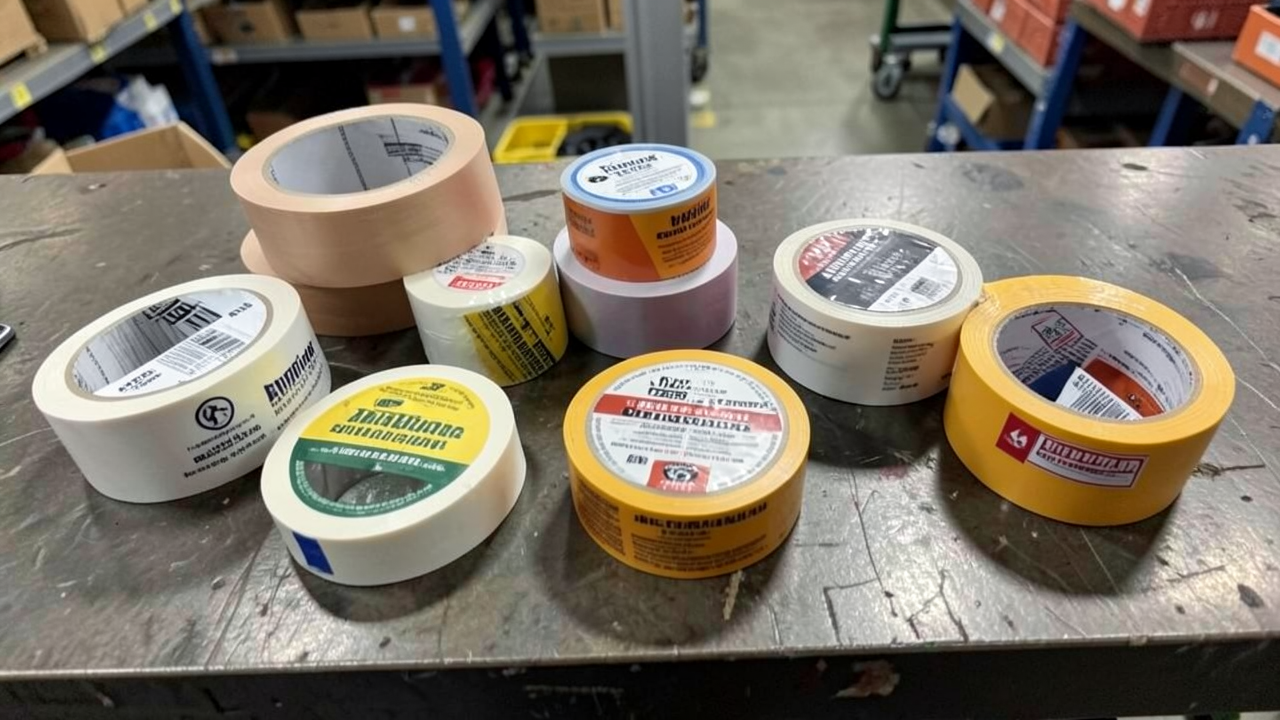
Your inspection routine is easier to maintain when the garage is tidy and the required products are easy to identify. Clearly labelled containers for chain cleaner, brake fluid, lubricants and cleaning products reduce the chance of using the wrong item. Workshop labels, protective films and storage solutions can help keep benches, tool drawers and vulnerable painted surfaces in good condition. For practical supplies designed for organised workspaces, Learn more about labels, protective films and garage organisation.
Keep a written motorcycle safety checklist near your parking space, on a wall, inside a cupboard door or in a waterproof pouch. This is particularly useful after a long winter, a holiday, or a period away from riding. A quick list prevents you from relying entirely on memory when you are eager to leave.
Protective film also has a practical role in a well-kept garage. Apply it to areas that may contact paddock stands, luggage, workshop benches or tie-down straps. Preventing cosmetic damage does not replace mechanical maintenance, but it helps preserve the motorcycle while you work around it.
Check the main safety items before every ride
A daily or pre-ride inspection need not take more than five minutes. Walk around the motorcycle in the same order each time, starting at the front wheel and moving towards the rear. Familiarity makes unusual marks, leaks and loose parts easier to notice.
Start with tyre pressure and visible tyre condition
Tyres are your only contact with the road, so check them before every weekend ride. Use a reliable pressure gauge when the tyres are cold, then compare the reading with the manufacturer’s recommended settings. Pressure requirements may differ when carrying a passenger, luggage or riding at sustained motorway speeds.
Inspect both tyres for cuts, embedded nails, cracks, bulges and damaged valve stems. Check tread depth across the full width of each tyre, not only at the centre. Look for uneven wear, which can suggest incorrect pressure, worn suspension components or poor wheel alignment. A damaged or underinflated tyre should stop the ride until it has been assessed.
Test brakes, controls and steering movement
Squeeze the front brake lever and press the rear brake pedal. Both controls should feel firm and should return smoothly after release. A spongy lever, a pedal that travels farther than usual, grinding noises or a visible fluid leak all require attention before riding.
Check that the throttle snaps shut when released and that the clutch lever moves freely. Turn the handlebars fully from lock to lock while the motorcycle is stationary. Cables, brake hoses and electrical wiring should not snag, stretch or interfere with the steering.
If your motorcycle uses a chain final drive, inspect its tension, lubrication and general condition. Look for tight spots, rust, damaged links or excessive slack. A clean, correctly adjusted chain supports smooth power delivery and reduces premature wear.
Confirm that lights, mirrors and signals work
Switch on the ignition and test the headlight, tail light, brake light, indicators and horn. Check the brake light using both the front brake lever and rear brake pedal. If you ride after dark or in poor weather, clean the headlight lens and number plate area so that you remain visible.
Adjust mirrors before leaving the garage, especially if another rider has moved the motorcycle or you have changed your riding position. They should provide a clear rearward view without forcing you to shift your head excessively.
Weekly and monthly checks prevent avoidable breakdowns
Pre-ride checks focus on immediate safety, while weekly and monthly checks give you time to identify developing maintenance issues. The right frequency depends on your mileage, storage conditions and weather exposure. A motorcycle used in rain, salted winter roads or dusty rural lanes needs closer attention than one kept indoors and ridden occasionally in dry conditions.
Monitor fluids and look for leaks
With the motorcycle upright and on level ground, check engine oil according to the manufacturer’s procedure. Some machines require the engine to be warm, while others must be checked cold. Examine coolant level where applicable, along with brake and clutch fluid reservoirs.
Look beneath the motorcycle for oil, fuel, coolant or brake fluid. A small stain on the floor may be harmless residue after servicing, but it should never be ignored without identifying its source. Check fuel lines and connections for cracking or dampness, particularly on older motorcycles.
Inspect fasteners and moving parts
Once a month, inspect visible bolts, footpegs, levers, luggage mounts and body panels. Do not overtighten fasteners without a torque specification, as this can damage threads or components. Instead, look for signs of movement, missing hardware or unusual vibration.
Clean the chain regularly and inspect sprocket teeth for hooking or uneven wear. Check suspension forks and rear shock areas for oil seepage. If the motorcycle has been parked for several weeks, examine the battery terminals and consider using an approved maintenance charger.
Your riding equipment deserves the same attention
Your protective equipment is part of the motorcycle safety checklist. Inspect your helmet for a secure strap, damaged visor mechanism and signs of impact. Replace a helmet after a significant drop or crash, even if external damage seems limited.
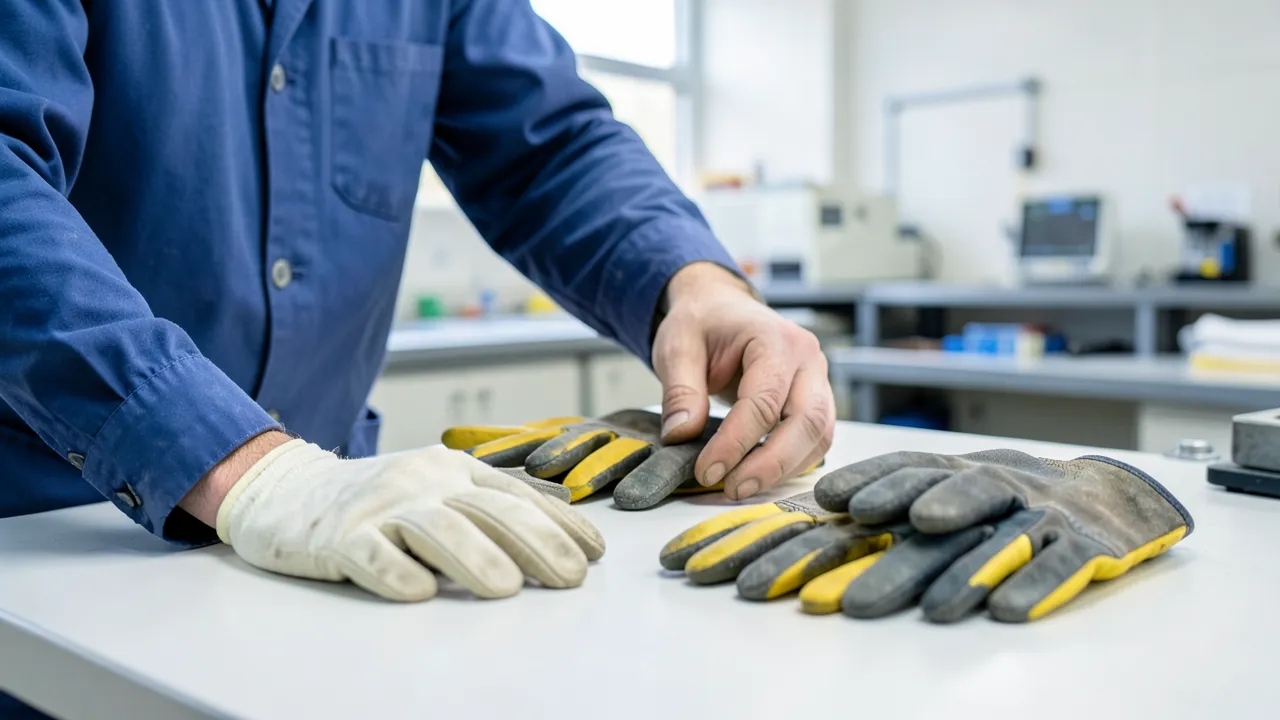
Check gloves for worn palms and loose stitching. Examine boots for sole separation and reliable ankle support. Jackets and trousers should have functioning zips, secure armour and no tears around high-abrasion areas. Comfortable, intact protective gear helps you stay focused when conditions change.
Before leaving, consider the expected weather, route and journey length. Add a waterproof layer, high-visibility element, spare visor or earplugs when appropriate. Small preparations can make a long ride less tiring and safer.
Build a repeatable routine for safer weekend rides
A practical routine should be short enough that you will use it every time. Keep a tyre gauge, torch, chain supplies and a clean cloth in one labelled storage area. Record tyre pressures, oil top-ups and maintenance dates in a notebook or digital log, especially if more than one person uses the motorcycle.
Before each ride, remember these core checks:
- Tyres: pressure, tread, damage and valve condition.
- Brakes: firm lever and pedal response, fluid level and no leaks.
- Controls: free throttle, clutch action, steering movement and secure footpegs.
- Lights: headlight, brake light, indicators, horn and clean mirrors.
- Chain and fluids: correct chain condition, oil level and no visible leaks.
- Rider gear: helmet, gloves, boots and weather-appropriate clothing.
A calm inspection before departure creates a useful habit. It also gives you a moment to notice whether the motorcycle feels ready for the road and whether you feel ready to ride it.
A safer weekend ride begins with a consistent check
Motorcycle maintenance is not limited to service intervals and major repairs. The small checks performed in your garage protect your ride, reduce unexpected delays and help you recognise changes in the motorcycle’s behaviour. Make the routine fit your mileage and riding environment, then follow it consistently before every weekend journey.
Frequently asked questions
How long should a motorcycle pre-ride inspection take?
Most regular inspections take between three and five minutes. Allow more time after storage, heavy rain, long-distance travel or any recent maintenance work.
Should you check motorcycle tyre pressure before every ride?
Yes, especially before a longer ride or when carrying a passenger or luggage. Tyres should be checked cold with a dependable gauge and adjusted to the manufacturer’s recommendation.
What should you do if the brake lever feels soft?
Do not ride until the cause has been identified. A soft brake lever may indicate low brake fluid, air in the hydraulic system, worn components or a fluid leak that needs professional attention.