

Safety training priorities for packing and dispatch teams
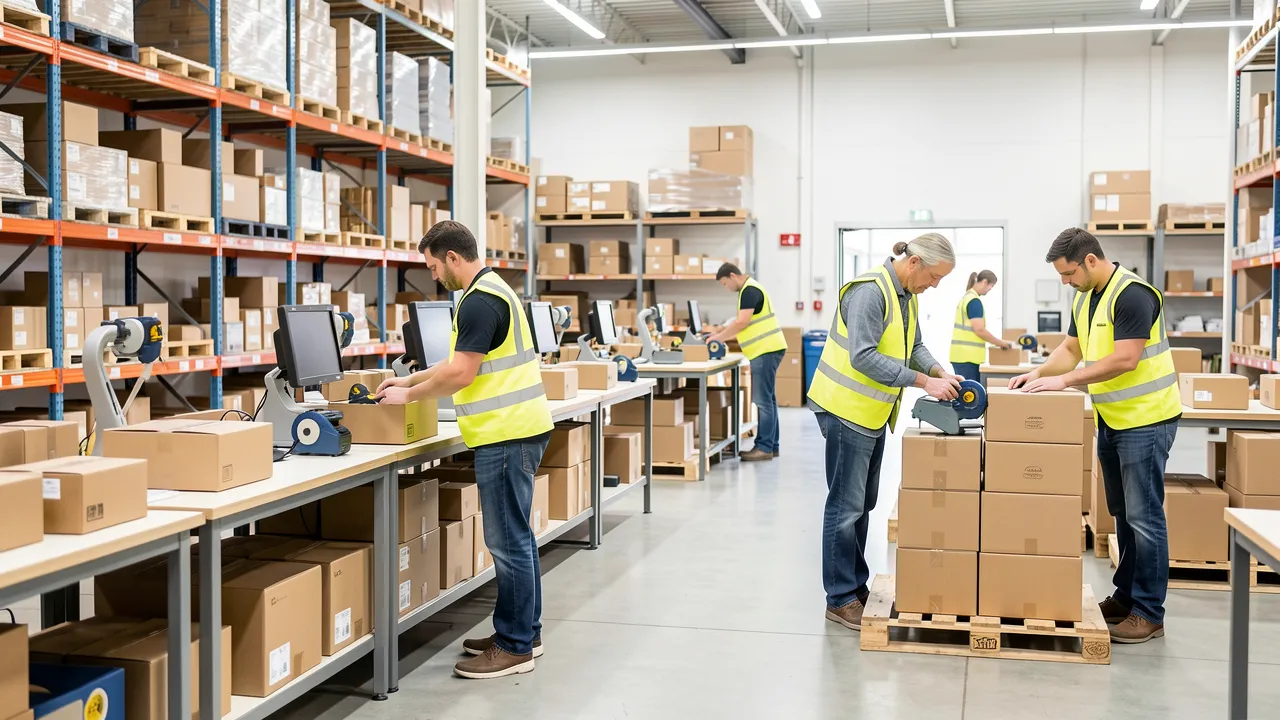
Packing and dispatch teams at a satellite office-supplies and packaging site face a varied mix of risks. A packing bench may look routine, yet repetitive sealing, carton lifting, cutter use, tape application, pallet wrapping and movement around dispatch lanes can create injuries over time or in a single moment. Effective workplace safety training begins with the real tasks your staff perform during a normal shift, including busy seasonal peaks and last-minute dispatch pressure.
Map the risks at packing stations and dispatch points before choosing training
Start with a practical review of each work area. Observe how staff receive orders, select packaging, fill cartons, cut tape or film, label parcels, build pallets and transfer completed loads to collection points. Include the actions that happen between tasks, such as reaching for stock, clearing waste, stepping around pallets or carrying items to another bench.
For broader prevention tips, look for guidance that connects risk assessment, workforce skills and targeted prevention training. Relevant resources should cover how to identify hazards, define training needs and maintain health and safety competencies over time. Training plans work best when they reflect documented risks, job roles, incident records and changes to equipment or workflow.
A useful assessment considers both immediate hazards and gradual strain. At a packing bench, staff may twist repeatedly to reach tape dispensers, stretch across cartons or work with benches set at an unsuitable height. In dispatch zones, poorly defined walkways, unstable pallet loads and rushed vehicle handovers can raise the likelihood of slips, collisions or falling objects.
“Safe work is not a single instruction. It is a routine that remains reliable when the pace increases.”
Speak with permanent staff, temporary workers and supervisors during the review. They often know where tape accumulates on floors, which cartons are awkward to grip, or when wrapping film creates obstructed sightlines. Their input helps you separate theoretical concerns from the risks that affect the working day.
Record tasks, people and conditions
Your risk map should state who performs each task, which tools or materials are involved, and what conditions make the task harder. A worker preparing small stationery orders faces different demands from a colleague handling bulk paper boxes or wrapping outgoing pallets.
Consider factors such as delivery deadlines, limited space, noise, poor lighting, cold loading bays and uneven flooring. Also review whether staff work alone, whether agency workers receive an induction, and how supervisors respond when procedures are bypassed to save time.
Build core prevention skills around real packing and dispatch tasks
Manual handling training should go beyond a generic lifting demonstration. Staff need to assess a load before moving it, test its weight, keep it close to the body, avoid twisting, and use trolleys or team lifts where appropriate. They should also know when a load is too bulky, unstable or heavy for one person.
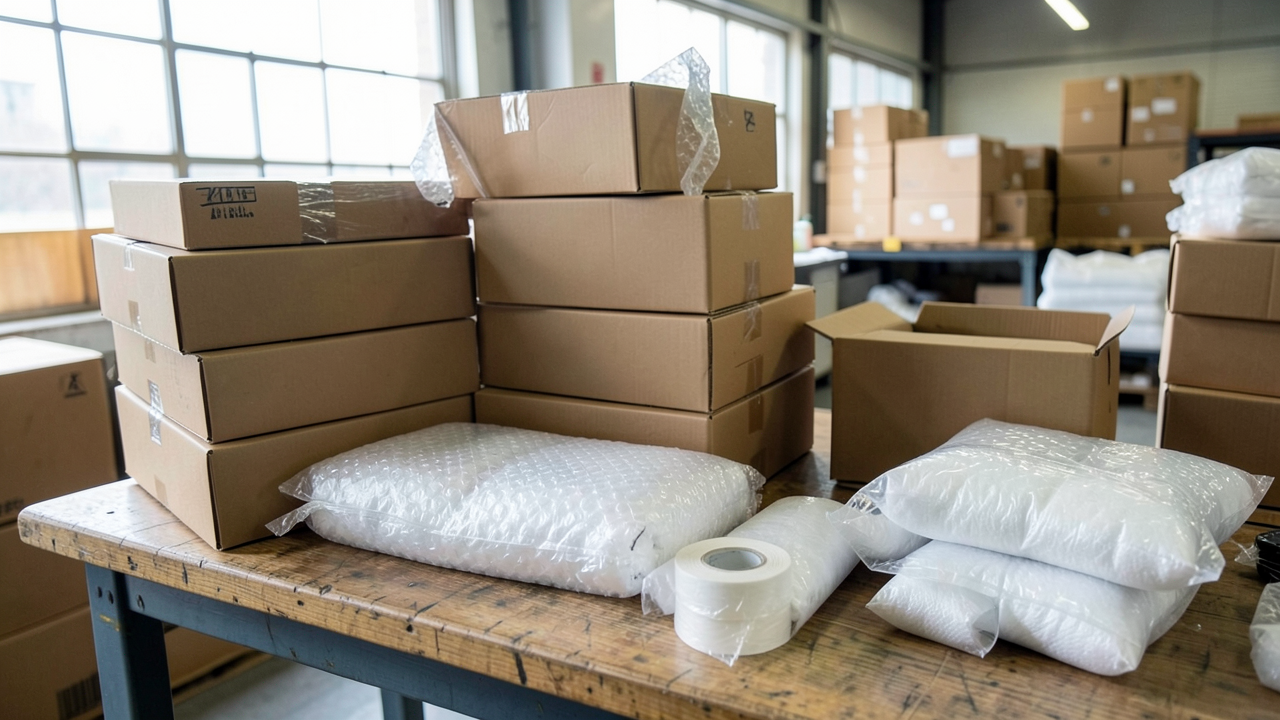
Training can use the actual cartons, archive boxes, paper reams and packaging supplies handled at the site. This makes safe methods easier to recall than abstract instructions. Bench layouts also matter. Frequently used materials should sit within an easy reach zone, while heavier stock should be stored at a height that limits bending and overhead lifting.
Teach cutter use as a controlled process
Cut prevention training should cover the full cycle of tool use: selecting the right safety cutter, checking the blade, positioning the package, cutting away from the body and returning the tool to a defined storage point. A worker should never need to search through loose packaging for a cutter.
Damaged blades, improvised knives and cutters left on benches create avoidable exposure. Clear replacement arrangements, labelled storage and a reporting process for defective tools support consistent safe use. Training should also address opening inbound cartons, where concealed contents and tensioned tape can cause sudden movement.
Include pallet stability and access controls
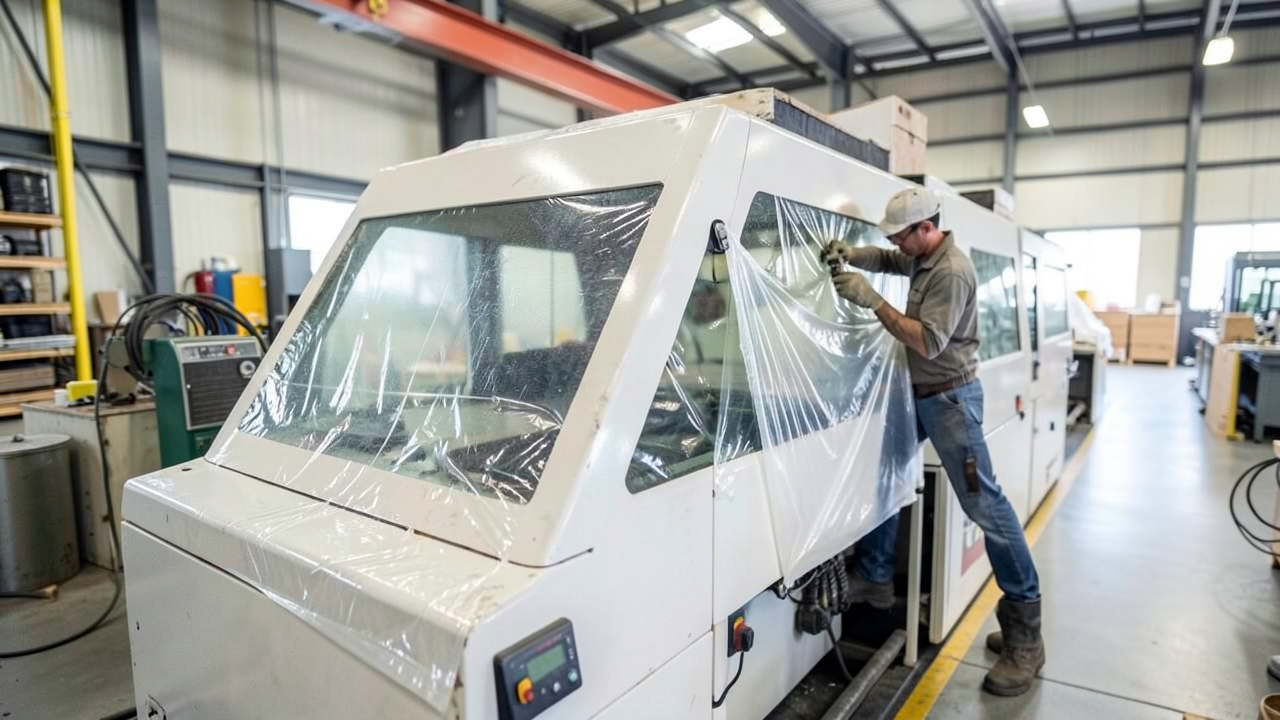
Pallet wrapping requires staff to understand load distribution, stack height, damaged pallets and the risks of walking backwards while applying film. They need a safe route around the load and enough room to work without entering vehicle paths. If powered pallet trucks or other handling equipment are used, only trained and authorised operators should operate them.
Where stock is stored above shoulder height or dispatch work involves loading platforms, training must cover safe access procedures. This may include suitable steps, edge protection, exclusion zones and rules for reporting damaged racking. Staff should not climb shelving, pallets or improvised surfaces to retrieve supplies.
Turn safety training into everyday routines for permanent and seasonal packing staff
One-off training sessions rarely change behaviour on their own. Supervisors can reinforce learning through short shift briefings, visible workstation standards and coaching at the point of work. A five-minute discussion before a high-volume dispatch period can cover a specific issue, such as safe pallet wrapping or keeping pedestrian routes clear.
Seasonal employees need a structured induction before they begin independent work. Keep instructions simple, demonstrate each task, observe the worker performing it and confirm that they understand how to stop and ask for help. Pairing new starters with experienced colleagues can support practical learning, provided those colleagues follow the agreed methods themselves.
Review training after near misses, changes in packaging dimensions, new equipment purchases or a reorganisation of the dispatch area. Refresher sessions should focus on observed behaviours and current risks, not repeat every topic without purpose.
Key actions for a safer packing and dispatch operation include:
- Base training on observed tasks and documented site risks.
- Train manual handling with the real loads your teams move.
- Set clear rules for safety cutters, blade checks and tool storage.
- Teach stable pallet building, wrapping methods and safe access practices.
- Give seasonal staff a supervised induction before independent work.
- Use supervisors to reinforce routines and report hazards quickly.
Safer packing teams support reliable dispatch performance
A well-organised prevention training programme protects staff while helping packing and dispatch work run more smoothly. When workers know how to handle loads, use cutters, wrap pallets and move through shared areas safely, they can maintain quality without relying on shortcuts. Regular observation, practical refreshers and active supervisor support keep those skills aligned with the changing reality of your satellite site.